Hydrogel Water-Storing Crystals for South-Facing Balcony Planters
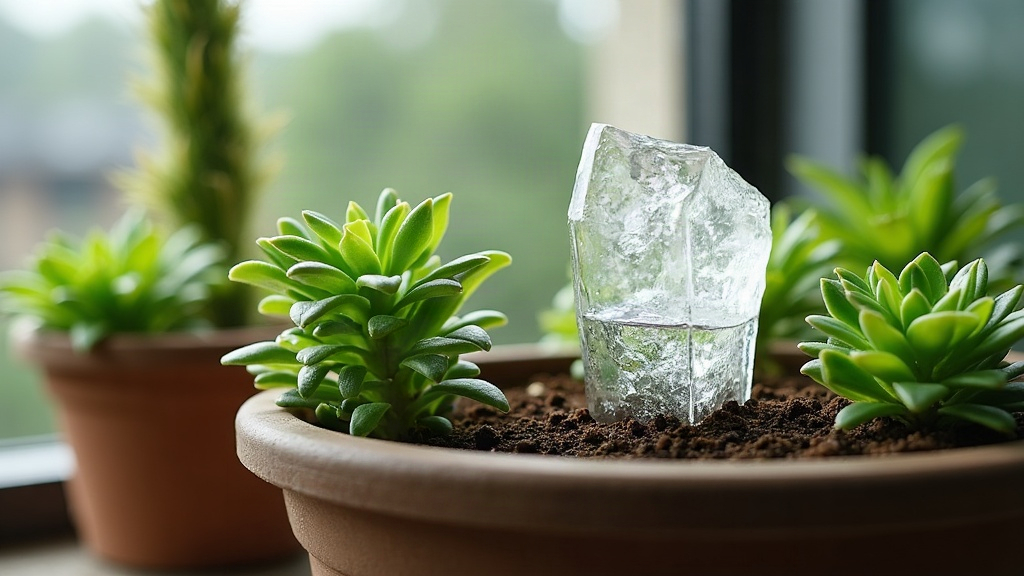
South-facing balconies catch the most sun, and they pay for it in moisture loss. Hydrogel water-storing crystals, those tiny polymer granules that swell up to hundreds of times their dry size once hydrated, can slow down that evaporation cycle and keep your potting mix moist for days longer than usual. Here’s how they work, how to use them properly in containers, and where they simply don’t help.
Why South-Facing Balconies Dry Out So Fast
A south-facing balcony (north-facing if you’re in the Southern Hemisphere) can soak up 6 to 10 hours of direct sun in a single day. Add reflected heat bouncing off railings, concrete, or glass panels, and you get a pretty brutal combination:
- Potting mix can dry out in as little as 24 hours during a summer heatwave
- Wind at height speeds up surface evaporation even more
- Small pot volumes heat up faster than soil ever would in the ground
- Watering twice a day just isn’t realistic if you commute, travel, or rent and can’t install irrigation
This is precisely the kind of environment where water-storing crystals (sometimes labeled soil moisture polymers or hydrogel granules) prove their worth.
How Hydrogel Crystals Actually Work
These crystals are made from cross-linked polyacrylamide or potassium-based polymers. Drop them in water and they absorb it into their molecular structure, swelling into soft, gel-like beads. As the soil around them dries out, plant roots pull moisture back out through osmotic pressure, basically sipping from a tiny built-in reservoir.
Think of them as a buffer, not a replacement for watering. They won’t save a plant you ignore for two weeks, but they can stretch the gap between waterings and soften the blow when you miss a day or two.
Step-by-Step: Using Crystals in Balcony Planters
1. Pre-hydrate before mixing
Don’t ever toss dry crystals straight into potting soil. Soak them first, in a bucket of water, for 30 to 60 minutes until they’re fully plumped up (they’ll look like small clear or white gel cubes, almost like tapioca). Mix them in dry and they can keep expanding inside the pot, which has been known to crack plastic containers or shove soil right out of the top.
2. Use the right dose
Overdosing is the most common mistake people make. For a standard 30-40 cm (12-16 inch) balcony planter:
- Stick to roughly 1-2 grams of dry crystals per liter of potting mix
- For a small 20 cm pot, a pinch (about half a gram) does the job
- More isn’t better here. An oversaturated gel mass can actually suffocate roots and invite rot
3. Blend evenly through the root zone
Fold the pre-soaked gel into the top two-thirds of the mix instead of dumping it at the bottom. Roots need even access to moisture, not one soggy pocket sitting below them.
4. Pair with a quality potting mix
Crystals perform best in a loose, well-draining, organic-matter-rich mix. Dump them into heavy, compacted soil and you’ll end up with waterlogged clumps instead of evenly distributed moisture.
5. Monitor the first two weeks
Pay attention to how the surface behaves. Staying damp way longer than expected? Cut back the dose next time. Still seeing drought stress, wilting, crispy leaf edges? Add a touch more, or just move the plant into a bigger pot.
Which Plants Benefit Most
Hydrogel crystals really shine with:
- Petunias, geraniums, and other thirsty annuals that go limp dramatically the moment it gets hot
- Tomatoes and peppers in containers, both notoriously sensitive to inconsistent watering (hello, blossom-end rot)
- Basil and similar herbs that droop fast in heat but bounce back nicely once rehydrated
They’re far less useful, and can even backfire, with:
- Succulents and Mediterranean herbs like rosemary, lavender, or thyme, all of which actually want dry spells between waterings
- Orchids and other plants that demand sharp, fast drainage
Limitations to Know Before You Buy
- They break down over time. Most hydrogel crystals degrade after one or two growing seasons. You’ll need to replace them, not just top them up forever.
- They’re no substitute for shade or mulch. On a scorching south-facing balcony, pair crystals with light-colored pots, an afternoon shade cloth, or a mulch layer on top for real results.
- Quality varies a lot. Potassium-based polymers are generally considered the safer choice for edible plants compared to older polyacrylamide blends. Check the label if you’re growing vegetables or herbs.
- They won’t fix bad drainage. No drainage holes in the pot? Adding more water retention on top of that is a fast track to root rot.
Quick Troubleshooting
| Symptom | Likely Cause | Fix |
|---|---|---|
| Soil surface stays soggy for days | Too much gel added | Reduce dose next repotting |
| Plant still wilts daily | Pot too small or crystals underdosed | Increase dose slightly or upsize pot |
| White gel beads visible on surface | Crystals not mixed deep enough | Fold gel further into root zone |
| Mushy roots at repotting | Overhydration/poor drainage | Reduce crystal amount, check pot holes |
Conclusion
Hydrogel water-storing crystals are a cheap, practical way to buffer a south-facing balcony planter against rapid drying, particularly for thirsty annuals and vegetables. But they work best as part of a bigger system: decent potting mix, real drainage, correct dosing, and some shade management when the summer sun gets vicious. Get it right and you can stretch your watering intervals meaningfully. Get careless with the dose and you’ll create more problems than you solve. Start small, watch how your own pots and plants respond, and tweak from there.