Pruning Cut-and-Come-Again Kale to Prevent Top-Heavy Stems
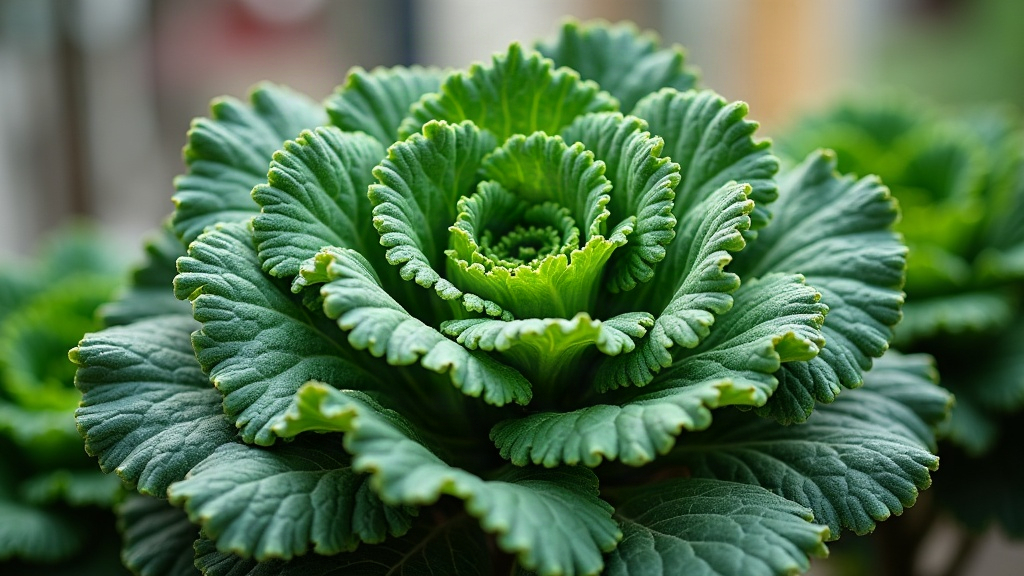
If your balcony kale keeps tipping over or snapping right at the base, don’t blame the wind. Nine times out of ten, the real culprit is a stem that’s never been pruned, grown tall and leafy with nothing underneath to brace it. Prune cut-and-come-again kale the right way and you get a short, bushy plant that can shrug off rooftop gusts, while still handing you tender leaves week after week.
Why Kale Gets Top-Heavy in High-Rise Gardens
Left to its own devices, kale (a biennial) wants to build a tall, woody central stem as it ages, pushing new growth higher each week. In a backyard bed, nearby structures, heavier soil, and partial shelter keep this in check. Up on a balcony or rooftop, though, three things gang up on you:
- Constant wind movement makes the plant stretch its stem lengthwise instead of thickening it (a bit like etiolation).
- Shallow containers cap root growth, so there’s not enough anchorage underground to balance a tall canopy above.
- Picking only from the top leaves a bare, woodier stalk below while all the leaf weight piles up at the tip, which is exactly the shape that catches wind worst.
End result? A plant shaped like a flag on a stick. One decent gust and it’s either snapped or uprooted.
The Core Pruning Strategy
Cut-and-come-again kale regrows from the growing points left along its stem. So pruning here isn’t just about trimming leaves for dinner, it’s really about rebuilding the plant’s center of gravity from the ground up.
1. Harvest from the Bottom Up, Not the Top Down
Always pick the oldest, lowest leaves first and leave the crown (the top rosette) alone. Doing this:
- Keeps new growth low and compact rather than racing upward.
- Pushes the plant to branch out sideways along the lower stem.
- Stops that “bare stick with a leaf mop on top” look from developing.
Stick to 3-4 leaves per plant per week, max. Strip more than that and you’ll stress the plant out.
2. Pinch the Growing Tip Once the Plant Hits 12-14 Inches
Once your kale reaches that height, pinch off the central growing tip, cutting just above a leaf node. This stops the upward stretch cold and redirects energy into side shoots. You end up with a shorter, denser, multi-stemmed plant, and multi-stemmed plants handle wind far better than a single tall stalk ever could.
3. Remove Woody, Leafless Lower Stem Sections
Older kale stems turn woody and bare near the base. That section is dead weight, literally: it adds height and mass but zero usable leaf surface, and it’s far less flexible than younger growth. Cut it back to just above the lowest healthy leaf cluster. This drops the plant’s overall profile and brings the weight back down toward the pot.
4. Thin Overcrowded Side Shoots
After pinching, kale tends to throw out more shoots than it can realistically support. Keep 3-5 strong ones, spaced out evenly, and snip the rest. Too many competing stems make for a lopsided canopy, one that catches wind unevenly and can tip the whole pot over.
Supporting Structural Stability Beyond Pruning
Pruning handles most of the issue, but if your spot is particularly exposed, pair it with a few other adjustments:
- Go wide, not tall, with your containers. A pot at least 12 inches across beats a tall narrow one every time. A low center of gravity matters just as much as a well-pruned canopy.
- Stake young plants loosely, using a bamboo cane and a soft tie, until the main stem thickens up. Pull the stake once the plant can hold itself upright.
- Cluster your containers together, or tuck them against a railing or wall, to break up direct wind flow.
- Top the soil with mulch or a few small stones. It adds base weight without compacting the roots underneath.
How Often Should You Prune?
Check in on your kale every 7-10 days. Quick gut-check rule: if there’s more leaf mass above the plant’s midpoint than below it, that’s your cue to harvest the lower leaves and maybe pinch new growth too. Keep the silhouette squat and evenly loaded, not top-heavy.
Signs You’ve Pruned Correctly
- Several shorter stems rather than one dominant stalk.
- Leaves spread from near soil level all the way up, not bunched only at the crown.
- The plant sways a bit in wind, sure, but it doesn’t buckle sharply at one weak spot.
Conclusion
A top-heavy kale plant isn’t just something you have to accept on a windy rooftop or balcony. It’s a pruning problem, and a fixable one. Harvest from the bottom, pinch the central tip early, cut away the woody lower stem, and thin out the extra shoots. Do that consistently and you turn one tall, fragile stalk into a short, bushy plant that actually shrugs off wind and keeps churning out tender leaves all season. Pair that pruning habit with a wide, stable pot, and your cut-and-come-again kale will do just fine several floors up.