Inoculating Potting Mix with Mycorrhizal Fungi for Drought Tolerance
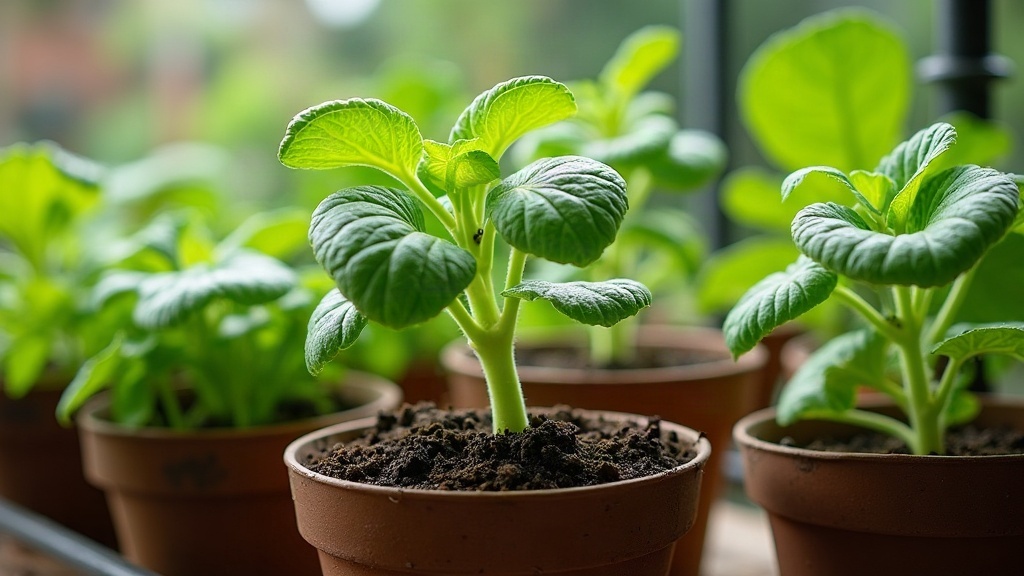
Inoculating your potting mix with mycorrhizal fungi is one of the cheapest, most effective tricks for getting balcony vegetables through a dry spell. These beneficial fungi extend your plants’ root systems and dramatically boost water and nutrient uptake, which matters a lot in containers, where soil dries out fast and roots have nowhere to escape to. If your balcony tomatoes, peppers, or herbs go limp the moment you miss a watering, mycorrhizae can buy you a few extra days of buffer, no change to your watering routine required.
What Mycorrhizal Fungi Actually Do
Mycorrhizal fungi strike a deal with plant roots: shelter and sugar in exchange for services. The fungus colonizes the root, then sends out microscopic threads called hyphae that stretch far beyond anything roots could reach on their own, sometimes 100 times farther into the surrounding soil.
That reach matters a lot in containers:
- Potting mix dries from the outside in, so roots near the pot’s edge are the first to suffer.
- Hyphae go deeper and wider, tapping moisture pockets that roots physically can’t touch.
- Fungi trade sugars for water and minerals, especially phosphorus, zinc, and copper, the nutrients that get locked up tight when soil dries.
End result: a plant that wilts later, bounces back quicker, and once the partnership is up and running, needs less frequent watering overall.
Why Balcony Containers Need This More Than Garden Beds
An in-ground garden already has a living fungal network built up over years, sometimes decades. Bagged potting mix has none of that. It’s sterile on purpose, heated, screened, and stripped of biology so it won’t harbor pathogens or weed seeds. Which means:
- No existing fungal network standing by to help new transplants.
- A small volume of soil that heats up and dries out in a hurry.
- Roots stuck in a confined space, so the extra “reach” fungi provide is worth proportionally more.
That’s why container growers often notice a bigger drought-tolerance payoff from inoculation than gardeners planting straight into the ground.
How to Inoculate Potting Mix Correctly
1. Choose the Right Product
Most vegetable crops, tomatoes, peppers, cucumbers, squash, lettuce, herbs, pair up with arbuscular mycorrhizal fungi (AMF), sold as granular powder or a root-dip gel. Read the label first: brassicas (broccoli, cabbage, kale) and beets don’t form AMF relationships at all, so inoculating them won’t do much of anything.
2. Apply Directly to Roots, Not Just Mixed Into Soil
Spores need to physically touch roots to colonize. Sprinkling inoculant over the top of the pot and hoping for the best doesn’t work nearly as well. Better approaches:
- Transplanting: Dust spores straight into the planting hole so roots make contact immediately.
- Seed starting: Drop a pinch of inoculant into each cell before you sow.
- Established plants: Mix inoculant with water and drench around the root zone. It works, but it’s less reliable than direct contact.
3. Avoid Killing the Fungi Before They Establish
- Skip synthetic, phosphorus-heavy fertilizers for the first 4-6 weeks. High phosphate levels actually suppress colonization.
- Keep fungicide drenches away from the root zone while the fungi are getting settled.
- Don’t let the soil go bone-dry during the first two weeks. The fungi need some moisture to take hold.
Realistic Timeline and Expectations
Colonization usually takes 2 to 6 weeks, depending on temperature and how vigorously the plant is growing. Don’t expect overnight magic here. This is a biological relationship forming, not a fertilizer spike. Over a full season, here’s what you should actually notice:
- Slower wilting during those brutal hot afternoons.
- Less need to water twice a day once peak summer hits.
- A small bump in fruit set and leaf color, thanks to better phosphorus uptake.
Combining Mycorrhizae With Other Drought Strategies
Inoculation shines brightest as one piece of a bigger drought plan, not a standalone fix:
- Mulch the container surface with straw or wood chips to slow evaporation and keep the fungal network from cooking in the heat.
- Use self-watering or wicking pots to keep moisture steady while colonization is underway.
- Don’t till or repot constantly, since that physically shreds the hyphal network you just spent weeks building.
- Water deeply but less often, which pushes roots (and fungi) to spread outward instead of staying shallow and lazy near the surface.
Common Mistakes to Avoid
- Dosing brassicas or other non-mycorrhizal crops and expecting a drought-tolerance miracle.
- Stirring inoculant through the whole pot instead of concentrating it right at the root zone.
- Using old, expired inoculant. Spore viability fades over time, faster still if it’s been sitting in a hot garage.
- Expecting visible results within days. Fungal networks take weeks to mature, not hours.
Conclusion
Mycorrhizal inoculation is a tiny, cheap step that punches way above its weight for balcony vegetable gardens, where containers bake dry fast and roots have nowhere to stretch. Pick the right fungal species, get it onto the roots directly, and steer clear of habits that disrupt colonization, and you’ve basically handed your plants a built-in insurance policy against a missed watering or a brutal heat spike. Add mulch and a deep-but-infrequent watering routine on top, and your balcony vegetables will shrug off drought stress in a way sterile, uninoculated potting mix simply can’t match.