Protecting High-Rise Balcony Seedlings from Pigeons Without Netting
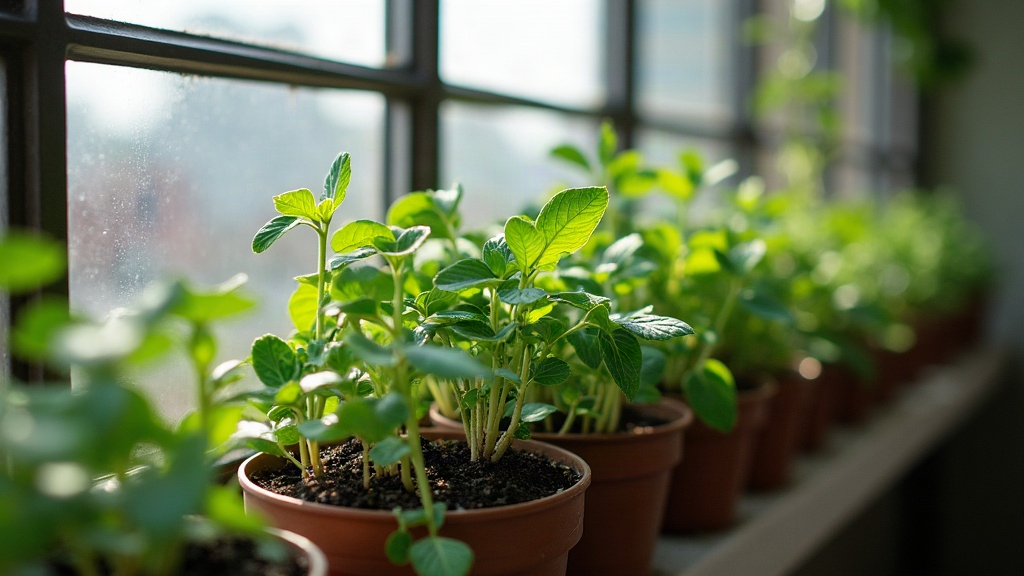
If pigeons keep uprooting or pecking at your balcony seedlings, you don’t need bulky netting to fix it. A mix of physical barriers, scent and texture tricks, smart plant placement, and a bit of behavioral disruption can keep urban birds off your young plants, even on the twentieth floor, without the tangled mess, tripping hazards, or trapped-bird risk that netting tends to bring.
Why High-Rise Balconies Attract Pigeons
Pigeons, and to a lesser degree sparrows and starlings, gravitate toward high-rise balconies for a few pretty obvious reasons:
- Loose, freshly turned soil looks like an easy dust bath or a quick snack spot.
- Elevated ledges and railings mimic the cliff faces pigeons nested on for thousands of years before cities existed.
- Fewer predators up high make balconies feel safer than a street-level garden bed.
- Seed trays and seedlings are basically a buffet. Soft shoots and exposed seeds take almost no effort to eat.
Once you understand what’s actually drawing them in, you can target the cause instead of just cleaning up after the damage.
Why Skip Netting?
Netting does work. But on a balcony, it comes with baggage:
- Birds can get tangled or hurt, especially when wind picks up at height (and it always does above the tenth floor or so).
- Installing it securely around railings and planters is fiddly, and it rarely looks tidy.
- A strong gust can rip it loose, and suddenly you’ve got netting flapping off the building like debris.
- It cuts down on airflow and sunlight, which matters a lot when you’re already working with a cramped balcony setup.
The good news: there are netting-free methods that work just as well, and in some cases, better.
Effective Netting-Free Deterrents
1. Reflective and Motion Deterrents
Pigeons hate unpredictable movement and sudden flashes of light.
- Hang old CDs, mylar strips, or reflective tape near your seedling trays. Wind-driven flicker unsettles them fast.
- A spinning pinwheel or a cheap solar-powered rotating decoy works better than anything static, since birds figure out within days that motionless objects pose no threat.
- Move these items around every few days. Pigeons are smarter than people give them credit for, and they adapt quickly to anything that stays put too long.
2. Textured Surface Barriers
Pigeons don’t like landing on anything that feels unstable or spiky underfoot.
- Line railings and ledges near your planters with plastic garden spikes or bird-repellent gel strips.
- Push pinecones or small twigs into the soil around seedlings. Birds don’t enjoy picking their way through prickly obstacles just to reach dirt.
- A top layer of coarse decorative gravel or crushed shell discourages both digging and dust-bathing.
3. Scent and Taste Deterrents
Contrary to the old myth that birds can barely smell or taste, pigeons actually respond quite well to both.
- Sprinkle cayenne pepper or chili flakes on the soil surface. Harmless to plants, miserable for birds.
- Plant strong-scented companions like mint, marigold, or garlic chives right around your seedling trays. The scent masks the appeal of the soil underneath.
- Some gardeners swear by diluted vinegar sprays on planter edges (never on the leaves themselves) to make landing spots unpleasant.
4. Physical Micro-Covers
Skip the full net and go small and targeted instead:
- Cut plastic bottles, bottoms removed, slipped over individual seedlings double as mini greenhouses and bird shields.
- Wire cloches or wicker domes protect a whole tray without blocking out all the light.
- Mesh cups, the kind berries come in, inverted over pots, work surprisingly well while seeds are germinating.
5. Timing and Placement Strategy
- Start seeds indoors until they’ve grown 2-3 true leaves before moving them outside. Pigeons go after fragile new sprouts, not plants that already look established.
- Tuck trays against a wall or into a corner. Pigeons prefer open landing approaches, so cut that option off.
- Don’t leave bare soil sitting exposed for days. Mulch right after sowing.
What Doesn’t Work Well
- Fake owls or hawks. City pigeons are not easily fooled for long; once they notice the “predator” never moves or relocates, they treat it like lawn furniture.
- Ultrasonic devices. The evidence on whether these actually deter pigeons specifically is shaky at best.
- One-off deterrents. Birds adapt fast to a single trick, so rotating two or three methods beats sticking with one.
Building a Layered Defense
The gardeners who actually keep pigeons away tend to combine a handful of low-effort tactics at once: a reflective motion decoy, a textured barrier like spikes or gravel, and something scent-based like chili flakes or mint nearby. Swap things around every one to two weeks and pigeons never get the chance to settle into a routine.
Conclusion
Netting isn’t the only way to keep pigeons and other urban birds off your balcony seedlings. Combine motion-based visual tricks, textured barriers, natural scents, and smarter placement, and you can protect a high-rise garden without sacrificing airflow, sunlight, or how the space actually looks. Pick two or three methods to start, rotate them on a regular schedule, and your seedlings stand a much better shot at making it to maturity.