Dwarf French Marigolds & Bush Eggplants: Flea Beetle Control
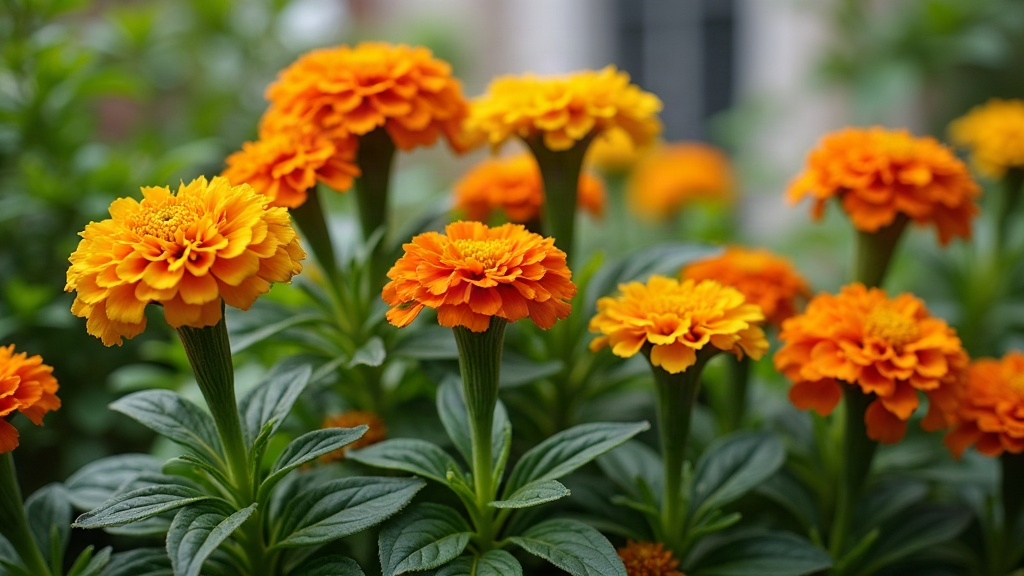
If you’ve ever grown eggplant in pots and watched the leaves turn into lace overnight, you already know how fast flea beetles can ruin your season. One good fix: tuck dwarf French marigolds in around your bush eggplant. The marigold’s strong scent covers up the chemical signals that draw flea beetles to eggplant leaves, and its roots release compounds that mess with pest larvae living in the soil. In a container, this trick works even better than in open ground, simply because everything’s packed closer together. That protective marigold smell has nowhere to go but right up against the eggplant’s young leaves, which is exactly where you need it.
Why Flea Beetles Love Eggplants
Flea beetles are small, jumpy insects, black or bronze-colored, and they leave behind that telltale “shotgun hole” pattern on leaves. Seedlings and fresh transplants take the worst of it. A bad infestation can stunt a young plant or kill it outright before it ever gets established. And in containers, where soil volume is small and pots often sit shoulder to shoulder, an infestation doesn’t stay put. It hops from one pot to the next within days.
These pests hunt mostly by smell. Eggplants, along with their nightshade cousins (tomatoes, potatoes, peppers), give off volatile compounds that flea beetles are practically tuned to detect. That’s the gap companion planting steps into.
Why Dwarf French Marigolds Work
Dwarf French marigolds (Tagetes patula, think compact cultivars like ‘Little Hero’ or ‘Bonanza’) earn their spot in the pot for a few solid reasons:
- Mask host-plant scent: Their sharp, almost resinous foliage throws off flea beetles hunting by smell, making eggplant leaves harder to locate.
- Stay compact: At just 6 to 10 inches tall, dwarf varieties don’t hog light or elbow into the eggplant’s root zone.
- Attract beneficial insects: The flowers pull in hoverflies and parasitic wasps, both of which go after flea beetle eggs and larvae.
- Suppress root pests: Marigold roots release compounds known to cut down soil nematode populations, which means a healthier root environment for the eggplant.
Tall African marigolds would shade out your eggplant in a shared pot. Dwarf French types don’t have that problem; they fit right in without stealing the light.
Setting Up the Container
Container size: Go with at least a 15 to 20 gallon pot (18 to 24 inches across) for one bush eggplant plus 2 or 3 marigolds. Compact bush varieties like ‘Fairy Tale’ or ‘Hansel’, which top out around 18 to 24 inches, are built for this kind of setup.
Planting layout:
- Put the eggplant dead center.
- Ring it with 2 to 3 dwarf marigolds, each 4 to 6 inches from the main stem.
- Don’t cram them in. Airflow between plants matters a lot for keeping disease away.
Timing: Get the marigolds in the ground 2 to 3 weeks before you transplant your eggplant seedlings. That way they’re already established and putting off scent by the time the eggplant hits its most vulnerable window, roughly the first 3 to 4 weeks after transplanting.
Soil and feeding: A well-draining potting mix with some compost worked in does the job. Both plants eat at a moderate pace, so a balanced organic fertilizer every 3 to 4 weeks keeps them healthy without pushing out the kind of soft, lush growth that flea beetles find irresistible.
Additional Flea Beetle Defenses
Marigolds help, no question, but stack a few more tactics on top and you’ll see even better results:
- Floating row cover: Keep it over seedlings until they reach 6 inches or taller, then pull it off so pollinators can get in.
- Yellow sticky traps: Set a couple near your containers. They’re useful both for monitoring beetle activity and knocking down adult numbers.
- Diatomaceous earth: A light dusting on the soil surface and leaf undersides, reapplied after rain, adds a mechanical layer of control.
- Avoid nitrogen excess: Overfed plants grow soft and lush, and that’s basically a dinner bell for flea beetles.
What to Expect
Don’t expect a total shield. A handful of flea beetles will probably still show up no matter what you do. But gardeners who interplant marigolds with their eggplants consistently report far less leaf damage and fewer pest colonies taking hold, compared to eggplant grown solo. Really, the biggest win here is time: marigolds buy your eggplant seedlings enough breathing room to get past that fragile early stage and grow strong enough to shrug off minor feeding.
Conclusion
Planting dwarf French marigolds alongside bush eggplants in containers costs almost nothing, skips the chemicals entirely, and does double duty: it throws flea beetles off the scent while pulling in insects that hunt them down. Add row covers and sensible soil care on top of that, and your container eggplants stand a much better chance of making it to harvest looking like they’re supposed to.