Liquid Kelp vs Slow-Release Granules for Railing Planters
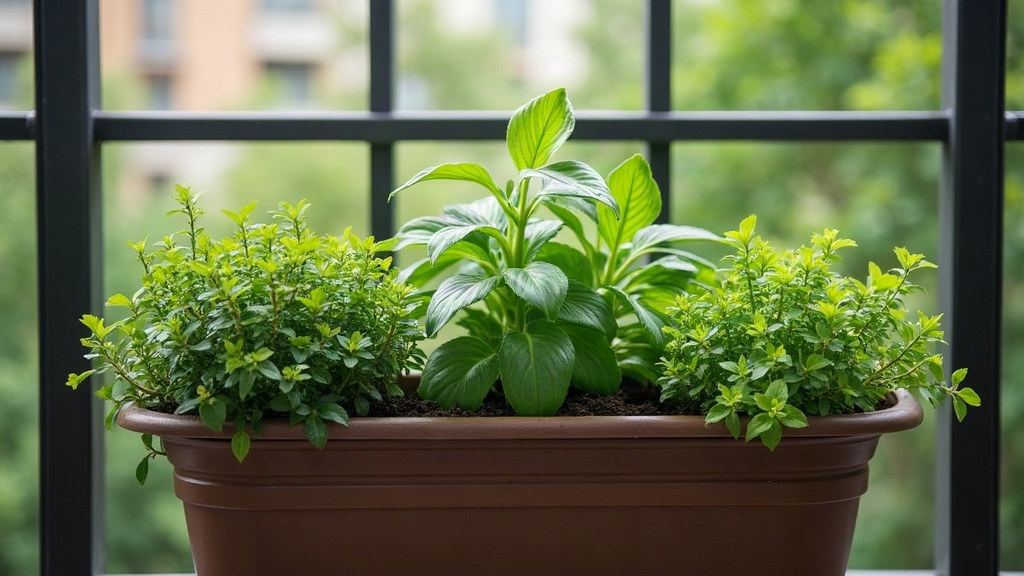
Liquid kelp fertilizer beats slow-release granules in most shallow railing planters, plain and simple. These narrow containers just don’t hold much soil, they dry out in a hurry, and they can’t buffer a granule feeding schedule the way a deep patio pot can. That said, granules aren’t useless here. Pick a low-dose, fast-triggering formula, stay on top of watering, and they’ll still do a decent job. Let’s break down how the two stack up and which one actually fits your setup.
Why Shallow Railing Planters Are a Special Case
Most railing planters run 5 to 8 inches deep and maybe 6 to 8 inches wide. Compare that to a standard 12-inch patio pot and you’ll see the problem immediately. That tiny soil volume changes the whole game when it comes to how fertilizer behaves:
- Less buffer capacity. A small mass of soil heats up fast and dries out even faster, which throws off the timing on coated granules, sometimes triggering release too early or unevenly.
- Root crowding near the surface. Roots end up sitting right where the granules land. If a pellet touches a stem or a feeder root directly, you’re looking at localized salt burn.
- Frequent watering washes nutrients out. In summer heat, shallow pots often need water daily. That leaches soluble nutrients out fast, a headache for both feeding types, but it hits water-soluble kelp especially hard if you’re not reapplying often enough.
Liquid Kelp: Strengths and Limits
Liquid kelp (seaweed extract) hands over trace minerals, natural growth hormones like auxins and cytokinins, and a mild dose of nitrogen, all in a form roots and leaves soak up almost on contact.
Pros:
- Fast uptake. You’ll often see better leaf color and more vigor within 1 to 2 weeks.
- Burn risk is about as low as it gets, safe even for seedlings or plants already under stress.
- Dosing is simple: dilute in your watering can, roughly 1 tablespoon per gallon, applied every 1 to 2 weeks.
- Boosts stress tolerance against heat and transplant shock, handy for railing planters baking in wind and reflected heat off the siding.
Cons:
- It’s not a full fertilizer. Phosphorus and potassium levels are low, so heavy bloomers like petunias or geraniums may still need something extra.
- Demands a routine. Miss a month and the plants will tell on you fast, since there’s nothing left in reserve in the soil.
Slow-Release Granules: Strengths and Limits
Coated granules, think Osmocote-style pellets, release nutrients gradually as soil temperature and moisture wear down the coating. That feeding can stretch out 60 to 90 days.
Pros:
- Low effort. Mix it in at planting time and mostly forget about it.
- A solid option if you travel a lot or just can’t commit to feeding weekly.
- One product, full NPK plus micronutrients.
Cons:
- The release is driven by temperature, not by what the plant actually needs. A railing planter baking in full sun can dump nutrients faster than the plant can absorb them, which risks salt buildup.
- Dosage control gets tricky in small soil volumes. Overdo it in an 8-inch pot and you’ll burn roots far more easily than in a 16-inch one.
- Rain hitting railing planters without drainage trays can leach granules unevenly, leaving patchy, inconsistent feeding.
Head-to-Head Comparison
| Factor | Liquid Kelp | Slow-Release Granules |
|---|---|---|
| Speed of effect | Fast (days) | Slow (weeks) |
| Burn risk in shallow soil | Very low | Moderate |
| Maintenance effort | Weekly/biweekly | Once per season |
| Nutrient completeness | Partial (micronutrients + mild N) | Complete NPK |
| Best for | Frequent waterers, stress recovery | Low-maintenance setups |
Which Should You Choose?
- Go with liquid kelp if you’re already watering your railing planters often, want tighter control over feeding, or you’re growing trailing annuals like lobelia, bacopa, or calibrachoa, all of which respond well to frequent, light feeding.
- Go with slow-release granules if you travel a lot or simply won’t keep up a weekly routine. Just cut the labeled dose in half for anything under 8 inches deep, and pick a formula rated specifically for containers.
- Honestly, the best results usually come from combining both. Work a light dose of slow-release granules into the potting mix at planting for a baseline, then top it off with liquid kelp every two weeks for micronutrients and extra resilience against stress.
Practical Tips for Railing Planters
- Use a well-draining potting mix, never garden soil. Garden soil compacts and waterlogs a shallow root zone fast.
- Water in the morning, so any leftover liquid kelp or dissolved granules aren’t just sitting in hot midday soil.
- Flush the pots with plain water once a month. This keeps salt from building up regardless of which fertilizer type you’re using.
Conclusion
For shallow railing planters, liquid kelp is the safer, more responsive pick, since it actually matches how these fast-draining, low-volume containers behave. Slow-release granules can still hold their own, just use reduced doses and keep the watering consistent. Most experienced container gardeners land on a combo approach: a light granule base worked in at planting, plus regular liquid kelp feedings all season long, for the healthiest, longest-blooming railing garden you can manage.