Cold-Pressed Neem Oil vs Insecticidal Soap for Scale on Citrus
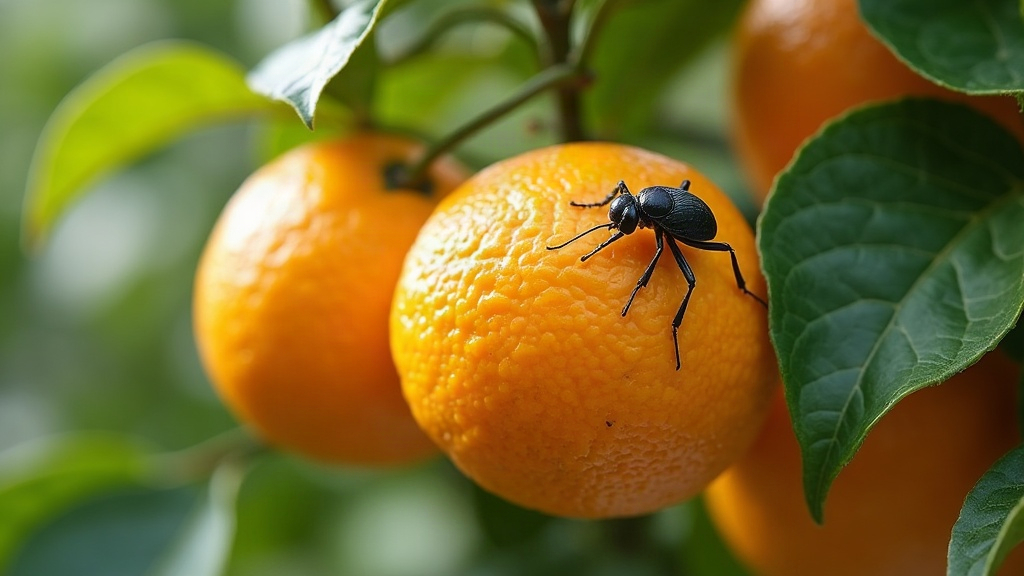
If your balcony lemon, lime, or kumquat has turned sticky, developed black sooty mold, or grown little brown bumps along the stems, you’ve got scale. The two go-to organic treatments are cold-pressed neem oil and insecticidal soap, and picking the right one (or combining both, which is usually smarter) decides whether you’re clear in a few weeks or still fighting this in month three.
Quick Answer
For active crawlers (the newly hatched stage), insecticidal soap wins on speed. It smothers insects on contact, full stop. For long-term prevention, cold-pressed neem oil pulls ahead because it messes with feeding and molting hormones, gets absorbed into fresh growth, and leaves behind a mild repellent effect. Honestly, most growers who’ve dealt with this more than once stop debating and just use both, in rotation.
Understanding Scale on Citrus First
There are two types of scale you’ll run into on balcony citrus:
- Armored scale, hard and shell-like (tough to kill once it matures)
- Soft scale, waxy and flexible, the kind that produces honeydew and invites sooty mold
Here’s the catch: adult armored scale is basically bulletproof against sprays once that shield hardens. Neither neem nor soap gets through it well. So the real key isn’t which product you pick, it’s timing. Catch them at the crawler stage, the short window when they’re mobile juveniles (grab a magnifying glass, or set out a yellow sticky trap), and your odds of winning go way up.
Cold-Pressed Neem Oil: How It Works
Cold-pressed neem (not the clarified, hydrophobic extract version) contains azadirachtin and other limonoids. These compounds:
- Mess with molting and reproduction, essentially acting as a growth regulator
- Act as a mild systemic repellent once absorbed into new leaf tissue
- Suffocate soft-bodied crawlers they touch directly
Pros:
- Breaks the life cycle over repeated applications, so fewer new generations show up
- Also handles aphids, mites, and whitefly, the usual co-pests on balcony citrus
- Low risk to bees if you spray at dusk, after they’ve gone home
Cons:
- Slow. Give it 2-3 weeks before you see real improvement, not days
- The smell is strong and sticks around, not great on a small balcony where you’re sitting right next to the plant
- Needs reapplication every 7-14 days across a full 4-6 week cycle
- Does little against armored adults already set in their shells
Insecticidal Soap: How It Works
Insecticidal soap (potassium salts of fatty acids) works by dissolving the insect’s outer cuticle, which dehydrates it. There’s no residual action here, it only kills what it actually lands on.
Pros:
- Fast knockdown of soft-bodied crawlers and young scale
- No smell, so you can spray it with people sitting two feet away
- Breaks down fast, no lingering residue on fruit
Cons:
- Does nothing to mature armored shells
- Zero residual protection, so crawlers hatching three days later walk away untouched
- You need full coverage (leaf undersides, axils, every stem joint), since it only works where it lands
- Can scorch leaves if sprayed in direct sun or above 85°F (29°C)
Side-by-Side Comparison
| Factor | Cold-Pressed Neem Oil | Insecticidal Soap |
|---|---|---|
| Speed of results | Slow (2-3 weeks) | Fast (24-48 hrs on crawlers) |
| Kills eggs/crawlers | Yes (growth disruption) | Yes (contact only) |
| Kills armored adults | Poor | Poor |
| Residual effect | Moderate | None |
| Odor | Strong | Minimal |
| Risk to beneficial insects | Low if applied at dusk | Low |
| Best for | Long-term prevention | Emergency knockdown |
The Recommended Combined Protocol
- Scrub off visible adult scale by hand. A soft toothbrush or a cotton swab dipped in isopropyl alcohol does the trick. This step alone clears out the hard shells no spray will touch.
- Spray insecticidal soap right after scrubbing to catch any crawlers you missed. Get into the leaf undersides and stem joints, don’t rush this part.
- Five to seven days later, follow up with cold-pressed neem oil, applied at dusk, to hit newly hatched crawlers and slow down the next generation.
- Repeat the neem spray every 10-14 days for 4-6 weeks to break the cycle completely.
- Keep the plant isolated from your other balcony plants while you’re treating it, so this doesn’t spread.
Application Tips for Balcony Conditions
- Test on one leaf first and wait 24 hours. Citrus leaves can react badly to sprays, better to find out on one leaf than the whole plant.
- Spray early morning or evening. Never at midday, never in direct sun.
- Mix a fresh batch of neem solution each time, with a drop of mild dish soap to help it emulsify. Pre-mixed neem oil loses potency fast, so don’t bother saving leftovers.
- Skip spraying during flowering if bees visit your balcony. Treat before bloom, or wait until the petals drop.
Conclusion
Neither one does the whole job by itself. Soap gives you the fast contact kill an active outbreak needs, neem oil handles the slower hormonal disruption that keeps scale from coming back. For balcony citrus, the sequence that actually works is: scrub by hand first, hit it with soap for the immediate knockdown, then settle into a neem rotation to finish things off and keep the next generation from ever getting established.