Best Companion Planting Combinations for a 10-Gallon Container
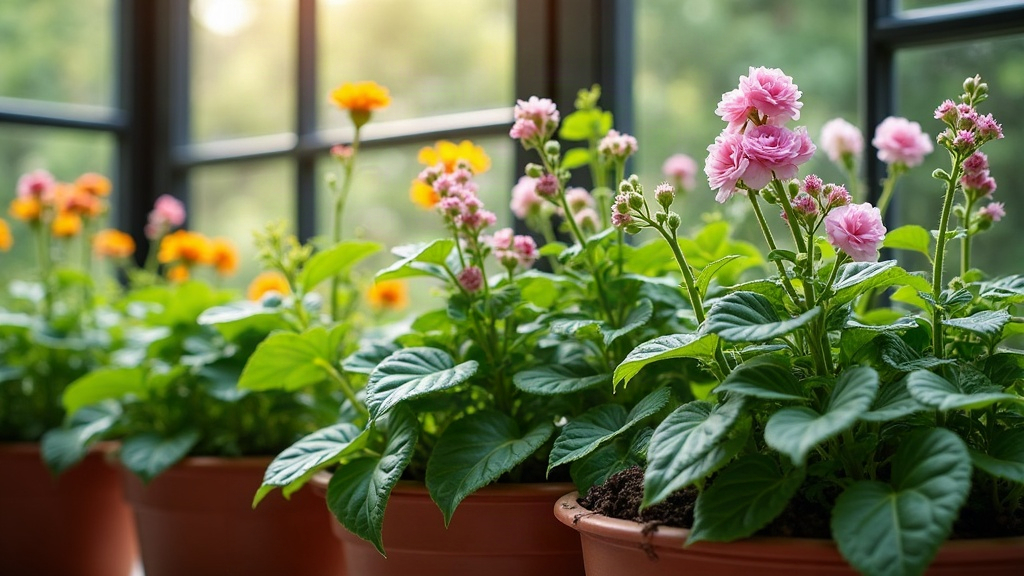
A 10-gallon pot can pull off a surprisingly generous harvest, but only if you pair the right plants together. Here’s a breakdown of the best companion combos for a 10-gallon patio container: why each pairing actually works, how to space things out, and which combos will just waste your limited soil on competing roots or plants unsuited to shade conditions.
Why Companion Planting Matters More in Containers
In a garden bed, roots wander outward, hunting for nutrients and moisture wherever they can find them. In a 10-gallon container (about 13 inches deep and wide), there’s nowhere to wander. Every plant is drawing from the exact same small pocket of soil. Good companion planting here isn’t really about pest control or flavor pairing, though that’s a nice bonus. It’s about matching root depths, growth habits, and nutrient appetites so nothing chokes anything else out.
Three rules I keep coming back to for container companions:
- Pair a deep-rooted plant with a shallow-rooted one (tomato + lettuce, for example)
- Combine a heavy feeder with a light feeder or nitrogen-fixer (pepper + bush bean)
- Never put two aggressive spreaders in the same pot (squash and cucumber together is just too much plant for one container)
Top Combinations for a 10-Gallon Container
1. Tomato + Basil + Marigold
This is the classic patio trio, and honestly, it earns the reputation. Plant one determinate or dwarf tomato variety dead center, tuck 2-3 basil plants around its base, and slip a marigold in near the edge.
- Basil’s scent throws off aphids and hornworms looking for a meal.
- Marigolds push away nematodes and add a nice pop of color while they’re at it.
- Get a tomato cage in early. Roots will fill this container faster than you’d expect.
2. Peppers + Onions or Chives
Bell peppers or chili peppers do well with onions or chives ringing the perimeter.
- Onions have shallow, narrow roots, so they stay out of the pepper’s way underground.
- The sulfur compounds in alliums help fend off aphids and spider mites, two of the most common pepper pests.
- One pepper plant plus 4-6 chive or onion sets fits comfortably in a 10-gallon pot.
3. Cucumber (bush variety) + Nasturtium
Skip the vining types and go with a bush or compact cucumber, something like ‘Bush Champion’ or ‘Spacemaster’.
- Nasturtiums work as a trap crop, pulling aphids and cucumber beetles toward themselves instead of your cucumber.
- Bonus: nasturtium flowers are edible. Toss a few into a salad for a peppery kick.
- Let the nasturtiums spill over the container’s edge rather than fighting for vertical room.
4. Bush Beans + Carrots or Radishes
Beans fix nitrogen in the soil, and the root vegetables nearby benefit directly from it.
- Radishes are done in 25-30 days, so they clear out before the beans need more root space.
- Carrots (pick a short type like ‘Little Finger’ or ‘Paris Market’) actually tolerate the light shade beans cast over them.
- Sow a fresh round of radish seeds every couple of weeks and you’ll get a rolling harvest out of the same pot.
5. Lettuce + Strawberries
Want something a bit more ornamental? Make strawberries the star and fill in the gaps with lettuce.
- Both are shallow-rooted, so there’s no fight for depth.
- Lettuce doubles as living mulch, keeping the strawberry roots cool and holding moisture in.
- Harvest lettuce cut-and-come-again style while the strawberries slowly ripen.
Combinations to Avoid
- Squash with anything: its roots and sprawling vines will happily eat up more than 10 gallons on their own.
- Two heavy feeders in one pot (tomato + eggplant, say): both end up stunted, fighting over the same limited nutrients.
- Mint with literally anything: mint is a bully. Give it a few weeks and it’ll take over the whole container. Grow it alone, always.
- Fennel near most vegetables: fennel releases compounds that stunt the growth of a lot of its neighbors.
Practical Tips for Container Success
- Use a real potting mix, not garden soil. Garden soil compacts and drains badly once it’s stuck in a pot.
- Feed on a schedule: container soil runs out of nutrients much faster than a garden bed does. A diluted liquid fertilizer every 2 weeks during active growth keeps things moving.
- Water like you mean it: a 10-gallon pot packed with multiple plants dries out fast, especially once summer heat kicks in. Check the moisture daily if you can.
- Don’t skip drainage: 3-4 drainage holes, minimum, or you’re risking root rot the moment things get crowded.
Conclusion
A 10-gallon container doesn’t have to mean a single, lonely crop. Pair deep roots with shallow ones, heavy feeders with nitrogen-fixers, and throw in a few pest-repelling companions like marigolds, chives, or nasturtiums, and you’ve got a small but genuinely productive garden on your patio. Start with something proven, tomato, basil, and marigold is hard to beat, and tweak the mix as you see how the container actually performs over the season.