Self-Watering Window Boxes vs DIY Wicking Planters for Herbs
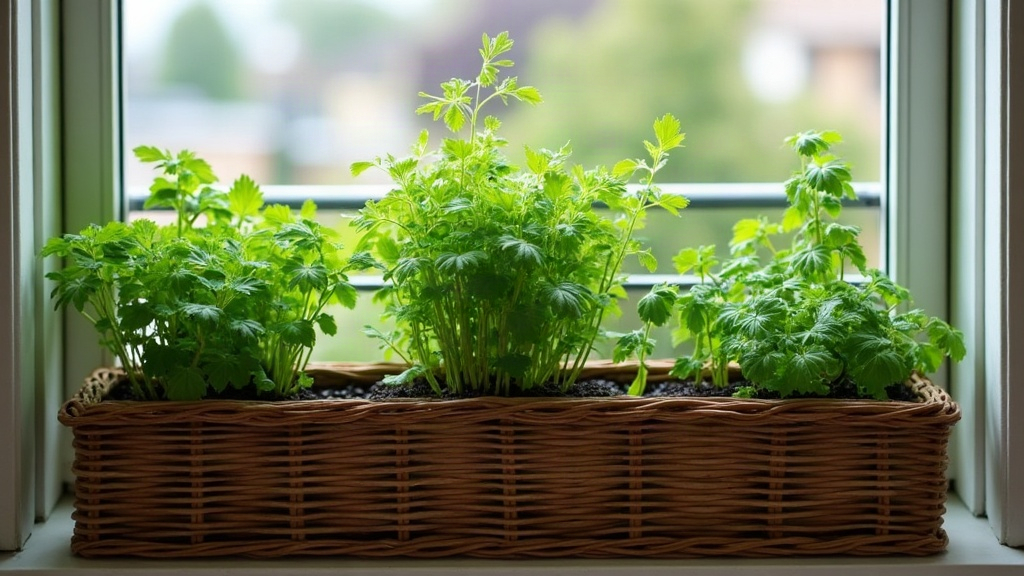
If you grow basil, thyme, chives, or parsley in containers, you already know the real headache: keeping moisture consistent without drowning those shallow roots. Two solutions tend to come up again and again: commercial self-watering window boxes and DIY wicking planters. The commercial route gets you convenience and a finished look right out of the box. The DIY route costs less and lets you tune reservoir depth to whatever fussy root system you’re dealing with. Here’s how both stack up, so you can figure out what actually fits your herbs, your budget, and how much time you’re willing to spend fiddling with bins and fabric.
Why Shallow-Rooted Herbs Need Special Watering
Parsley, cilantro, oregano, chives, these all send roots down maybe 4 to 6 inches, tops. That shallow depth creates two headaches with a standard pot:
- Fast drying: Less soil volume means less water storage, so in July heat a pot can go bone dry within a single day.
- Root rot risk: Compensate by overwatering and you risk suffocating roots, especially once the potting mix compacts down.
Self-watering boxes and wicking planters both dodge this by feeding water from below. The top layer of soil stays evenly moist instead of swinging between soggy and parched.
Commercial Self-Watering Window Boxes
How They Work
There’s a reservoir built into the base, a wicking mat or fabric strip running up into the soil, and an overflow hole so you don’t flood things. Capillary action does the rest, pulling water upward as the soil dries.
Pros
- Ready to use: No drilling, no measuring. Fill the reservoir, plant your herbs, done.
- Consistent design: The reservoir depth and wick material are already dialed in by the manufacturer, so there’s less guesswork on your end.
- Aesthetic finish: Resin, fiberglass, powder-coated metal, take your pick. These look good on a patio rail or a kitchen window sill.
- Warranty and durability: Brands like Novelty or Bloem sell UV-resistant plastic that’s built to survive several seasons outdoors.
Cons
- Cost: Expect $25 to $70 for a 30 to 36 inch box, more if you go premium.
- Fixed reservoir size: Can’t easily bump up wicking capacity for a thirsty basil plant in the middle of a heat wave.
- Limited depth options: Most run 6 to 8 inches deep. Fine for herbs, but you’re stuck with whatever the manufacturer gives you.
DIY Wicking Planters
How They Work
You build your own reservoir out of a plastic tote, storage bin, or whatever container you’ve got lying around. A perforated inner pot or a strip of fabric wicks water up from a water layer at the bottom, kept separate by a divider or mesh screen.
Pros
- Low cost: Plenty of gardeners put these together for $5 to $15 total, old bins, a length of PVC pipe for a fill tube, some landscape fabric.
- Fully customizable: Set the reservoir depth, pick your wick material, place the overflow wherever it makes sense for that particular herb.
- Great for repurposing: Storage totes, wine crates, even old gutter sections turn into working planters.
- Scalable: Once you’ve figured out the design, cranking out five or six more units for a full herb row is cheap and quick.
Cons
- Learning curve: You’ll be drilling overflow holes, doing rough math on reservoir-to-soil ratio, and testing whether your wick material actually works.
- Less polished look: Unless you take the time to finish the outside, these read as “utilitarian bin,” not “garden feature.”
- Trial and error: Getting the wick right, not too saturated, not too dry, usually takes a test run or two before it clicks.
Head-to-Head Comparison
| Factor | Commercial Window Box | DIY Wicking Planter |
|---|---|---|
| Upfront cost | $25-$70 | $5-$15 |
| Setup time | 5 minutes | 30-60 minutes |
| Customization | Low | High |
| Aesthetics | Polished | Needs finishing |
| Best for | Renters, patios, gifting | Budget growers, larger herb gardens |
Which One Should You Choose?
- Go commercial if you want something you can set up in five minutes on a window sill, balcony rail, or front porch, somewhere looks matter and you’re only growing 3 to 5 plants anyway.
- Go DIY if you’re building out a bigger kitchen garden, like reusing materials you already own, or need a specific reservoir depth for something like basil, which drinks a lot more than thyme or rosemary ever will.
Quick Tip for Either Option
Whichever route you pick, use a well-draining potting mix. Regular garden soil compacts and chokes the wicking action, so skip it. And check your reservoir water level weekly once it gets hot. Wicking systems cut down how often you need to water, sure, but they don’t make refilling optional.
Conclusion
Both options solve the same core problem: keeping shallow-rooted herbs evenly watered without babysitting them daily. Commercial boxes win on convenience and looks, a solid pick for small spaces or anyone growing herbs for the first time. DIY wicking planters win on cost and flexibility, and they reward anyone willing to spend an afternoon building something tailored to their own herb mix. Still not sure which way to go? Grab one commercial box for the kitchen window, then try building a DIY wicking bin for a bigger patch outside. Plenty of gardeners end up running both at once.