Insulating Potted Dwarf Pomegranates for Zone 6 Balconies
Why Potted Pomegranates Struggle in Zone 6
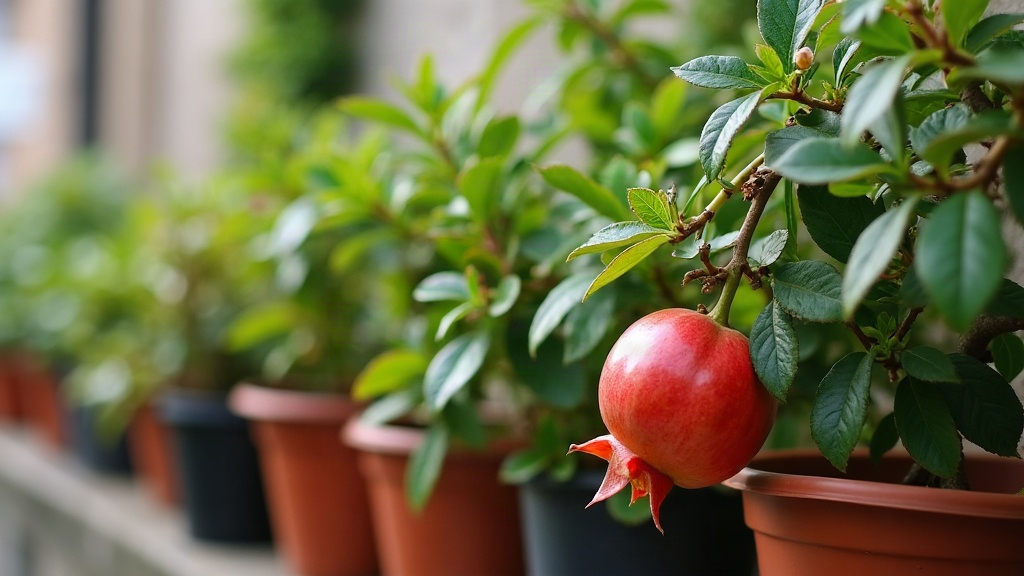
Dwarf pomegranates (Punica granatum ‘Nana’) are rated hardy to about Zone 7. That’s a problem if you’re gardening on a Zone 6 balcony, because container roots don’t get the benefit of surrounding earth the way an in-ground plant does. A pot sitting out in the open can run 10-15°F colder at the root zone than soil in the ground during the same cold snap, simply because cold air wraps around the container from every side, bottom included.
Zone 6 winters average between -10°F and 0°F at their coldest. One hard freeze is enough to turn an unprotected pot into a block of ice straight through, and the roots can die even when the branches above still look perfectly fine come fall. That disconnect, healthy top growth hiding dead roots, is what catches a lot of balcony growers off guard in spring.
So the fix isn’t complicated. A layer of cardboard plus a few wraps of bubble wrap can insulate the container enough to get your pomegranate through a rough Midwest or Northeast winter, even on an exposed balcony with zero ground insulation to lean on.
What You’ll Need
- Bubble wrap (large-bubble, at least 3/16-inch; the industrial-grade stuff works best)
- Corrugated cardboard (old moving boxes are perfect)
- Duct tape or packing tape
- Burlap or an old blanket, as an optional outer shell
- Mulch (straw, shredded leaves, or wood chips)
- Zip ties or twine
Step-by-Step Insulation Method
1. Prune and Prepare in Late Fall
Hold off until after the first light frost, once the plant has eased into semi-dormancy and dropped most of its leaves. A light trim of broken or crossing branches is fine, but don’t go overboard. Pomegranates set fruit on old wood, so save any real shaping for late winter instead.
2. Wrap the Pot in Cardboard First
Cut cardboard pieces to go fully around the pot, overlapping the seams by a couple of inches so there are no gaps. Tape or tie it in place. Think of cardboard as your base layer: it insulates on its own and gives the bubble wrap a firm surface to grip rather than slipping around on smooth plastic or ceramic.
3. Layer Bubble Wrap Around the Cardboard
Wrap two to three layers of bubble wrap over the cardboard shell, bubbles facing inward toward the pot so the trapped air does its job. Secure each layer with tape, but leave the very top of the pot open. You’ll still need to get water in there during winter thaws.
4. Insulate the Pot Bottom
Here’s the step almost everyone forgets, and it’s the single biggest cause of root-kill in container plants. Get the pot up off the ground: a thick slab of styrofoam, a wooden pallet, or a stack of flattened cardboard all work. Concrete and metal railings pull heat out of a pot shockingly fast, so direct contact is what you’re trying to avoid.
5. Mulch the Soil Surface
Pile on 2 to 4 inches of straw or shredded leaves right on top of the soil. It slows down moisture loss and softens the blow of sudden temperature swings for the roots closest to the surface.
6. Group and Shelter
Got more than one potted plant? Push them together against a wall. They’ll shield each other from wind that way. Wrapping the whole cluster in burlap, or tucking them into a sheltered corner away from prevailing winter gusts, cuts down wind-chill damage considerably.
Watering During Winter
Even wrapped up, pots still need a drink now and then. Check every 3 to 4 weeks during thaws when temps climb above freezing. Dwarf pomegranates shouldn’t go bone-dry even while dormant, but pour water onto frozen soil and you’re inviting rot. Water only when the top inch feels dry and the air is above 40°F.
When to Unwrap
Peel the insulation off gradually in early-to-mid spring, once nighttime lows settle reliably above 25°F. Jump the gun and a late freeze can wreck fresh new growth. Wait too long, on the other hand, and a warm spell under all that wrap can breed mold or rot before you even notice.
Common Mistakes to Avoid
- Wrapping too tightly against the bark. Leave a bit of air space between the wrap and the trunk.
- Skipping the pot bottom. This alone causes more root-kill than anything else on this list.
- Relying on plastic sheeting by itself. It traps moisture and sets up the perfect conditions for fungal rot. Pair it with something breathable like burlap on the outside.
- Wrapping too early. Wait for real dormancy, or you risk trapping heat in and coaxing out new growth at exactly the wrong time.
Final Thoughts
Cardboard for structure, bubble wrap for trapped air, elevation to cut off conductive cold, mulch on top: put that combination together and a potted dwarf pomegranate can make it through a Zone 6 balcony winter just fine. The trick is protecting the whole root zone, not just the sides of the pot you can see, and timing your wrap and unwrap around your actual local frost dates rather than some fixed date on the calendar.