Beginner's Guide to Growing Bush Beans in Balcony Railing Planters
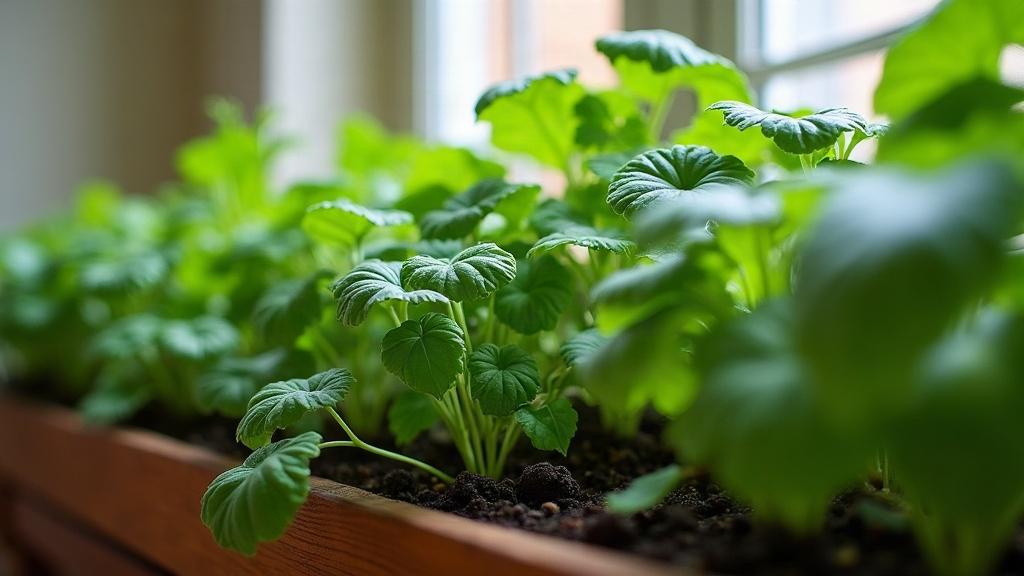
If you’ve got nothing but a small balcony and a sunny railing, you can still pull off a real vegetable harvest, and bush beans are about as easy an entry point as it gets. Compact bush varieties skip the trellis entirely, hug a tight footprint, and start handing you tender pods in as little as 50-60 days. Here’s what a beginner actually needs to know to make railing planters work for bush beans.
Why Bush Beans Are Perfect for Balconies
Pole beans climb. They need stakes, strings, some kind of support structure, and honestly, more fuss than most balcony gardeners want. Bush beans skip all that. They grow into neat, self-supporting mounds, roughly 12-24 inches tall, which fits perfectly into a narrow railing planter where depth and floor space are both at a premium. Add in the fast growth and low-maintenance nature, and you’ve got a crop that basically forgives every rookie mistake.
A few compact varieties worth trying in containers:
- Provider – reliable, cold-tolerant, one of the earliest producers you’ll find
- Contender – shrugs off heat, good pick for warmer climates
- Royal Burgundy – purple pods that stand out against the leaves, so picking is almost too easy
- Bush Blue Lake 274 – classic bean flavor, dependable yield
Choosing the Right Railing Planter
Bush beans don’t have huge roots, but they’re not shallow either, and container size trips up more beginners than you’d think.
- Depth: At least 8-10 inches, or the roots simply won’t develop properly.
- Width: A standard 30-36 inch railing planter comfortably fits 4-6 plants.
- Drainage: Multiple drainage holes, no exceptions. Beans hate wet feet.
- Mounting: Use hooks or brackets rated for the planter’s full, soaked weight. Wet potting mix is heavier than people expect, sometimes 20-30 lbs per planter once watered.
Soil and Sunlight Requirements
Bush beans want at least 6 hours of direct sun a day. A south- or west-facing balcony is your best bet here.
On the soil side:
- Go with a well-draining potting mix. Garden soil is too dense and compacts fast in a container.
- Mix in compost or a balanced slow-release fertilizer when you plant.
- Skip high-nitrogen fertilizers. They’ll give you gorgeous leaves and disappointing pods.
Planting Bush Beans Step by Step
- Sow directly – bush beans hate being transplanted, so drop seeds straight into the railing planter.
- Spacing – 2-3 inches apart, about 1 inch deep.
- Timing – wait until soil hits at least 60°F (16°C). These plants are frost-sensitive and won’t forgive an early planting.
- Watering – water gently right after sowing, then keep the soil moist, not soaked, until germination kicks in, usually 7-14 days later.
Caring for Your Bush Beans
- Watering: Containers dry out fast, faster than most people assume. Check the soil daily once it warms up, and water whenever the top inch feels dry, which often means every 1-2 days.
- Fertilizing: A light feed every 3-4 weeks does the job. Overdo it and you’ll get fewer flowers.
- Pest watch: Aphids and spider mites love balconies. A neem oil spray handles both and is safe on plants you’re going to eat.
- Wind protection: Up on a high floor, wind can shred young seedlings. A light shade cloth or a spot near a wall gives them some cover.
When and How to Harvest
Pods are usually ready 50-60 days after planting, once they’re firm, bright green, and about 4-6 inches long, ideally before you can feel the seeds bulging inside.
- Pick every 2-3 days. This keeps the plant producing instead of slowing down.
- Use two hands: hold the stem steady with one, pull the pod gently with the other. Yanking it can snap the whole branch.
- Consistent picking basically tells the plant “keep going,” and it will.
Common Beginner Mistakes to Avoid
- Overcrowding: Cramming too many seeds into one planter gives you weak, leggy plants competing for the same root space.
- Inconsistent watering: One of the fastest ways to end up with tough, stringy pods.
- Skipping succession planting: Sow a fresh batch every 2-3 weeks if you want beans all season instead of one big flush.
- Ignoring pod maturity: Leave pods on too long and they turn tough, plus the plant slows down future production.
Conclusion
A railing planter full of bush beans might be the easiest win a beginner gardener can chase. Get the container right, keep the sunlight consistent, don’t let the soil swing between bone-dry and soggy, and harvest regularly, and you’ll have a steady trickle of crisp, fresh beans all season. Start with one planter. You’ll probably be surprised how much a single strip of railing can produce.