How to Stop Cilantro from Bolting Too Early on Rooftops
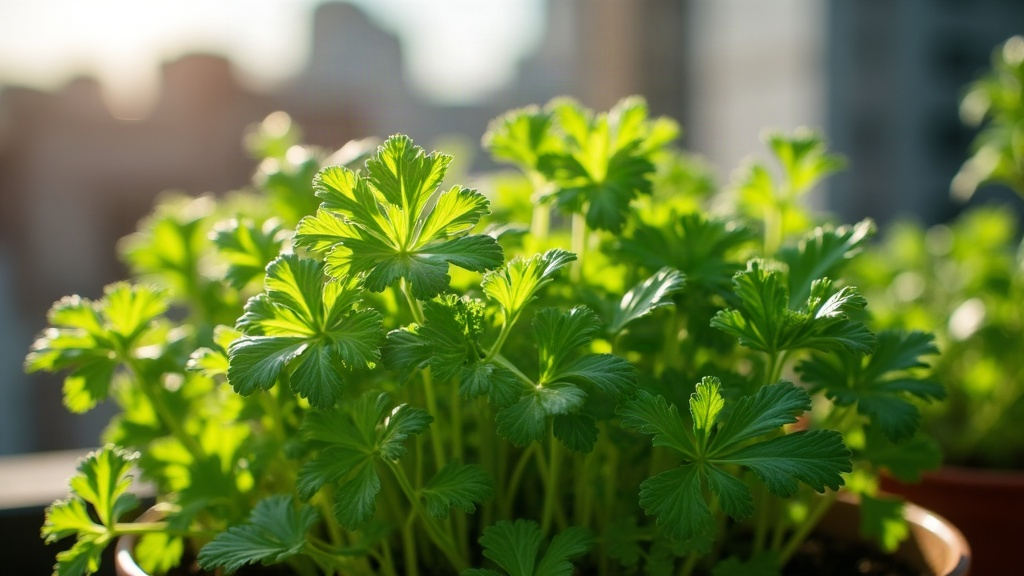
If your cilantro shoots up into a tall, spindly stalk topped with flowers just weeks after you planted it, you’re not doing anything wrong exactly. You’re dealing with premature bolting, and rooftop gardens are practically a breeding ground for it. The upside? With the right mix of shade, watering habits, timing, and variety choice, you can keep cilantro leafy and productive for a lot longer, even when your rooftop feels like a frying pan by 2 p.m.
Why Cilantro Bolts So Fast on Rooftops
Cilantro is a cool-season herb at heart. It naturally wants to flower and set seed once temperatures climb past 75°F (24°C). Rooftops make that threshold arrive faster, and here’s why:
- Radiant heat from surfaces. Concrete, asphalt, and metal railings soak up sunlight all day and keep radiating it back at your plants well after the sun goes down.
- Reduced humidity and wind exposure. Rooftops tend to be breezier and drier than ground-level gardens, and that dries out shallow-rooted herbs fast.
- Container heat buildup. Pots heat up quicker than garden soil ever does. Your roots can be cooking even on a day that feels only mildly warm.
- Long daylight hours. Bolting isn’t just about heat, it’s also triggered by day length, and a rooftop usually gets full, unobstructed sun for most of the day.
Put those four things together and cilantro reads it as a survival signal: reproduce now, worry about leaves later. That’s the rush to bolt.
Practical Fixes That Actually Work
1. Give It Afternoon Shade
Full sun from sunrise to sunset is usually the single biggest problem. Try positioning your containers so they only catch morning sun (4 to 5 hours), then shift them into shade, or drape a shade cloth (30-50% density) over them starting around midday. Even something simple, a pergola panel, a patio umbrella, or a taller plant placed strategically, can cut the worst of the afternoon glare.
2. Choose Slow-Bolt Varieties
Not every cilantro plant handles heat the same way. Some cultivars were bred specifically to resist bolting:
- Calypso, built to hold its leafy stage even in warm conditions
- Santo, noticeably slower to bolt than the standard type
- Long Standing, an older variety that’s still reliable for heat resistance
Skip the generic “Slow Bolt” seed packets unless they specifically mention rooftop-level heat tolerance. They’re an improvement over regular cilantro, sure, but Calypso will outperform almost all of them.
3. Cool the Root Zone
Since pots heat up so quickly, root temperature ends up mattering just as much as air temperature, maybe more.
- Switch to light-colored or ceramic pots rather than dark plastic, which soaks up heat like a black car dashboard.
- Try double-potting: slide your grow pot inside a larger container, leaving an air gap or mulch layer in between for insulation.
- Mulch the soil surface with straw or wood chips. It cuts down evaporation and keeps root temperatures from spiking.
4. Water Consistently, Not Just More
Erratic watering is basically an invitation for cilantro to bolt. Rooftop wind and heat dry containers out fast, sometimes within a single afternoon, so check soil moisture daily once summer hits. Watering deeply and evenly in the early morning gives roots a chance to stay cool and hydrated through the brutal midday hours.
5. Stagger Your Plantings (Succession Sowing)
Rather than sowing one big batch and hoping it lasts, plant a small new patch every 2 to 3 weeks. That way, when one round inevitably bolts, you’ve already got a fresh round coming up right behind it. It’s not a true fix for bolting itself, more of a workaround, but it keeps a steady stream of harvestable cilantro coming all season.
6. Harvest Early and Often
Cutting regularly slows down the plant’s rush toward maturity, which in turn delays bolting. Snip the outer leaves instead of yanking the whole plant out, and don’t let it get root-bound in a pot that’s too small, that kind of stress alone is enough to push it into flowering.
What to Do If It Bolts Anyway
Don’t chuck a bolted plant straight into the compost bin just yet:
- Let it flower and go to seed and you’ll end up with coriander seeds you can actually cook with.
- Those tiny white flowers pull in pollinators, which is good news for nearby rooftop crops like tomatoes or peppers.
- Save the seeds and replant them next season. Essentially, you just got free cilantro seed out of a “failed” plant.
Conclusion
Bolting is just cilantro doing what it’s wired to do under heat and stress, and rooftops crank both of those up. Give your plants afternoon shade, pick heat-resistant varieties like Calypso, keep the root zone cool, water on a consistent schedule, and stagger your sowings every couple of weeks. Do that, and you can keep harvesting fresh cilantro leaves through most of the growing season, even up on the sunniest, most exposed urban rooftop.