Growing Cucamelons in Hanging Macrame Baskets on a Balcony
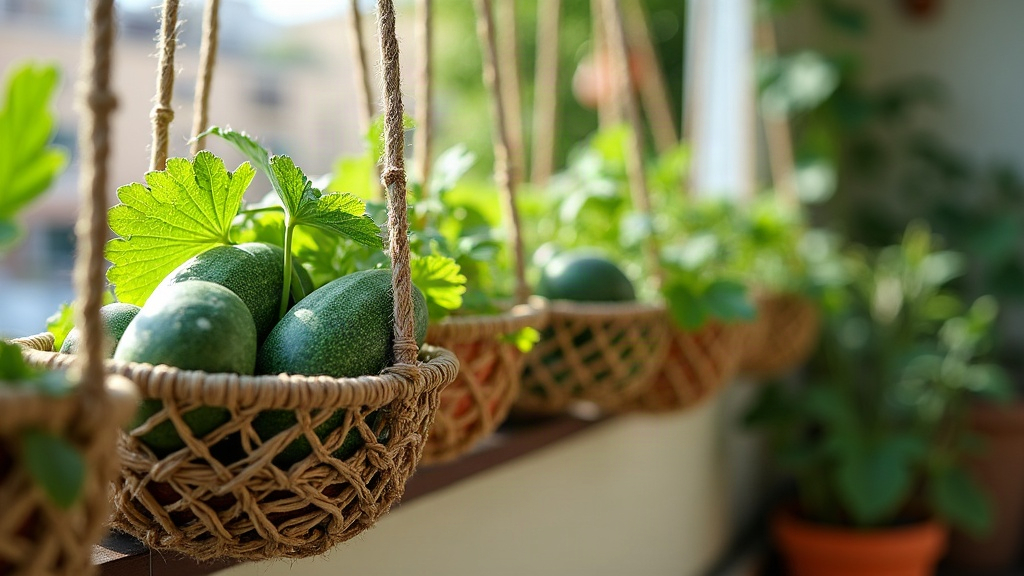
Growing Cucamelons in Hanging Macrame Baskets
Growing cucamelons (mouse melons) in hanging macrame baskets is one of those small-space gardening projects that actually delivers on its promise. You get a genuine novelty edible and a decorative, space-saving display, all wrapped into one sunny balcony corner. These grape-sized fruits taste like cucumber with a squeeze of lime, and their trailing vines seem almost designed for hanging containers rather than sprawling across the ground.
Why Cucamelons Are Perfect for Hanging Baskets
Cucamelons (Melothria scabra) are vigorous vining plants native to Mexico and Central America. Unlike full-size cucumbers, they produce tiny, thin-skinned fruits that never weigh down a delicate vine, which makes them a natural fit for suspended containers. Their compact root systems also cope fine with the limited soil volume you get in a macrame-slung pot, something a full cucumber vine would sulk about.
Key advantages of this growing method:
- Space efficiency: No garden bed required. Perfect for apartments and condos where every square foot of floor space is spoken for.
- Pest reduction: Elevated baskets keep fruits well out of reach of slugs and other ground-dwelling insects.
- Aesthetic appeal: Cascading vines dotted with small yellow flowers and pea-sized melons make for a genuinely lush, decorative display, not just a utilitarian veggie patch.
- Better airflow: The hanging position improves air circulation around the leaves, which cuts down on fungal problems like powdery mildew.
What You’ll Need
- A macrame hanger with a basket at least 10-12 inches in diameter and 8 inches deep
- Well-draining potting mix (standard potting soil, compost, and perlite in roughly equal parts works well)
- A sturdy hook or bracket rated for at least 15-20 lbs once soil and water are added (a loaded basket is heavier than it looks)
- Cucamelon seeds or nursery starts
- A trellis add-on or some twine for extra vertical support (optional, but it helps)
Starting Cucamelons from Seed
- Timing: Start seeds indoors 4-6 weeks before your last frost date. Cucamelons want warm soil, 70-85°F, to germinate reliably, so don’t rush this on a cold windowsill.
- Germination: Soak seeds overnight, then plant them ¼ inch deep in seed-starting mix. Germination usually takes 7-14 days, though a warm spot can nudge that along.
- Hardening off: Once nighttime temperatures stay above 55°F, gradually acclimate seedlings to outdoor conditions over 7-10 days before moving them into the basket for good.
Planting in the Macrame Basket
Fill the basket with potting mix, leaving about an inch of space below the rim so watering doesn’t spill everywhere. Plant 2-3 seedlings per basket, spaced evenly so the vines can trail off in different directions instead of tangling into one clump. Water thoroughly after planting, then let the excess drain before you hang it up.
Hanging baskets dry out faster than ground beds, no way around it. Check soil moisture daily during hot weather: stick a finger an inch into the soil, and if it feels dry, water.
Sunlight and Watering on a Balcony
Cucamelons need 6-8 hours of direct sunlight a day to fruit well, so a sunny balcony is honestly close to ideal. That said, intense afternoon heat combined with a hanging basket’s smaller soil volume can stress the plants fast, so:
- Water deeply every 1-2 days in summer, and more often during heatwaves (daily, sometimes twice a day, if it’s over 95°F).
- Add a slow-release organic fertilizer at planting time, then feed every 3 weeks with a balanced liquid fertilizer.
- Mulch the soil surface with straw or shredded bark to slow moisture loss between waterings.
Training the Vines
Left to their own devices, cucamelon vines will trail attractively over the basket’s edge and look great doing it. But if you want higher yields, guide some of the vines up the macrame cords or a small trellis tucked into the pot. This vertical training gets more sun to the leaves and, honestly, makes the tiny fruits a lot easier to spot and pick before they hide in the foliage.
Harvesting and Common Problems
Fruits are ready roughly 65-75 days after transplanting, once they’re grape-sized and firm to the touch. Pick regularly, every 2-3 days during peak season, to keep the plant producing instead of putting energy into seeds.
Common issues on balconies include:
- Wind stress: Secure the hanger firmly. A strong gust can whip trailing vines around and snap them.
- Root-bound plants: If growth stalls mid-season for no obvious reason, the basket is probably too small. Time to size up to a bigger pot.
- Blossom drop: Usually caused by extreme heat above 90°F. Offer afternoon shade during heatwaves if you can manage it, even just a shifted umbrella helps.
Conclusion
Growing cucamelons in hanging macrame baskets turns a sunny balcony into a small but genuinely productive garden, one that also happens to look good. Keep the watering consistent, give it plenty of sun, and train the vines a little now and then, and these easy-care mini melons will keep you snacking all summer while doubling as the thing every visitor asks about.