Growing Wild Ramps & Leeks in North-Facing Urban Patios
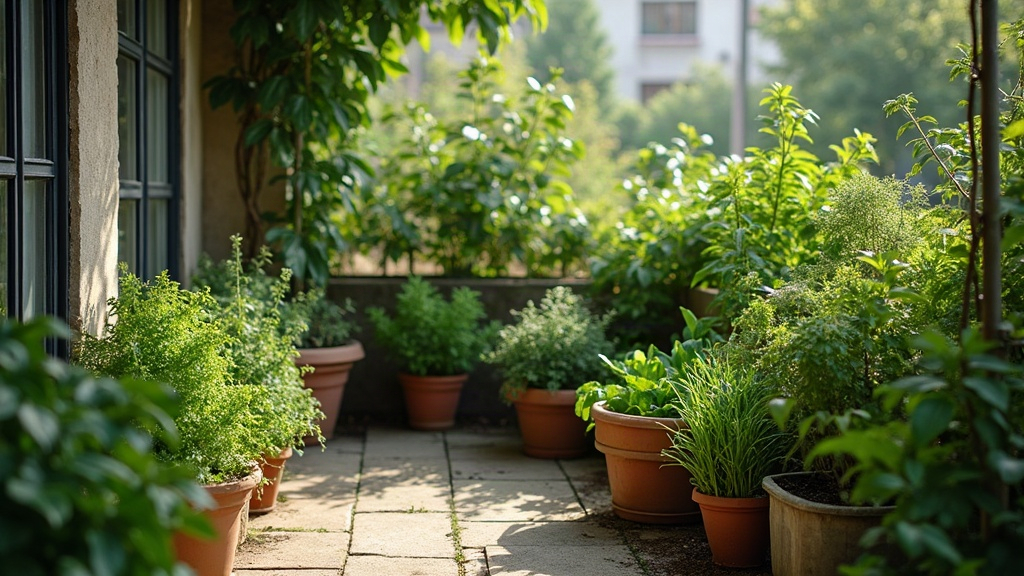
If you’ve got a dim, north-facing patio that feels too shady for growing much of anything, here’s some good news: you’re actually sitting on prime real estate for one of spring’s most sought-after edibles. Woodland ramps, also known as wild leeks (Allium tricoccum), crave exactly the cool, filtered, low-light conditions that drive most patio gardeners crazy. Turns out your “problem” spot might be perfect.
Why North-Facing Patios Work for Ramps
In the wild, ramps grow under deciduous forest canopies. They pop up and photosynthesize in early spring, before the trees overhead leaf out and steal the light, then they go dormant for the rest of summer. A north-facing patio recreates that pattern surprisingly well:
- Consistent, indirect light. No scorching afternoon sun to wilt the leaves.
- Cooler soil. This matters a lot for root establishment and keeping the bulbs properly dormant.
- Less moisture loss. Ramps hate drying out, and shade helps keep the soil from baking.
Honestly, light isn’t the hard part here. The real challenge is mimicking that deep, spongy, humus-rich forest floor soil in something as small as a container or raised bed.
Setting Up the Right Growing Medium
Don’t bother with bagged potting mix off the shelf. Ramps want something closer to actual forest duff:
- Base layer: 40% quality compost or leaf mold
- Structure: 30% coarse sand or fine bark fines, for drainage
- Organic matter: 30% aged hardwood leaf litter (oak or maple are your best bets)
Go deep with your containers, at least 12 to 14 inches, since ramp bulbs and roots reach further down than you’d expect. Half-barrels, deep wooden planters, even an old galvanized tub with drainage holes drilled in will do the job on a patio.
Mulch heavily, 2 to 3 inches of shredded leaves on top, and keep it there year-round. It insulates the roots, holds moisture, and slowly breaks down to feed the soil, just like it would on a real forest floor.
Planting: Bulbs vs. Seeds
Bulbs/transplants (fastest results):
- Plant in early fall or very early spring, while they’re still dormant
- Space bulbs 4 to 6 inches apart, with the neck sitting right at the soil surface
- You can expect a small, harvestable patch within 2 to 3 years
Seeds (slower, but builds a more resilient patch):
- Ramp seeds need a warm-then-cold stratification cycle before they’ll germinate, and that can take anywhere from 6 to 18 months
- Sow fresh seed in fall, right into your prepared containers, then wait. Seedlings sometimes don’t show up until the second spring.
- Full maturity to harvestable bulbs? Figure on 5 to 7 years.
Most patio growers hedge their bets: bulbs for a quicker payoff, seeds for the long game.
Watering and Seasonal Care
- Spring (active growth): Keep the soil evenly moist, never waterlogged. Check it daily once warm spells hit.
- Summer (dormancy): Leaves will die back by early summer. That’s completely normal, not a sign of trouble. Ease up on watering, but don’t let the soil go bone-dry; the bulbs are still alive down there.
- Fall/Winter: Top up the mulch before the first freeze. Ramps handle cold fine, and actually need a winter chill to trigger that spring emergence.
Skip the synthetic fertilizer entirely. One yearly top-dressing of compost or leaf mold is really all they ask for.
Harvesting Responsibly
This is where growing your own beats foraging in the wild: you get to control exactly how much pressure the patch takes.
- Never touch a patch younger than 3 years
- Harvest only outer leaves, or at most 10-15% of the bulbs, per season
- In the early years, consider leaf-only harvesting and leave the bulbs alone to multiply
- Replant any offsets when you divide bulbs, so the patch keeps feeding itself
Common Problems
- Yellowing leaves in spring: Usually too much water, or stray direct sunlight sneaking in where it shouldn’t
- Nothing coming up after planting: Check your bulb depth. Too shallow and they dry out; too deep and they’ll take forever to sprout.
- Slow spread: That’s just ramps for you. They’re naturally much slower to multiply than garden alliums like chives or scallions.
Conclusion
A shaded, north-facing patio isn’t some gardening handicap. For woodland ramps, it’s basically home. Build the right layered soil, keep moisture consistent, and harvest with restraint, and even a modest container setup can keep producing a genuine, delicious spring crop for years. Start this fall, stay patient through the slow stretch, and before long you’ll have a rare, foraged-tasting edible growing just a few steps from your back door.