Bokashi Composting vs Tumbler Bins: Odorless Balcony Fertilizer
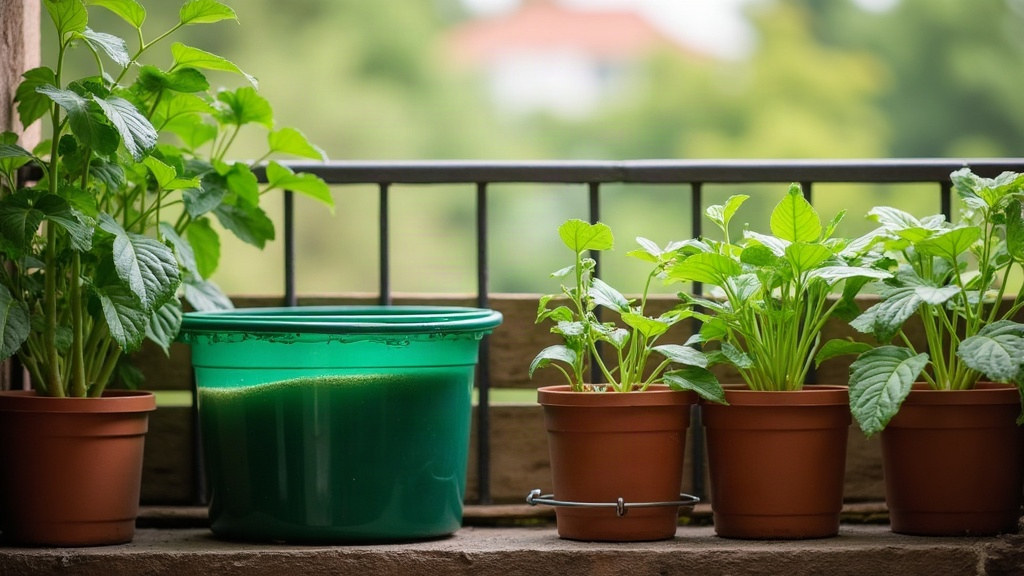
If you’re growing herbs, vegetables, or flowers in pots and want to turn kitchen scraps into free fertilizer without stinking up your balcony, the two best small-space options are bokashi composting and tumbler compost bins. Bokashi ferments food waste (including meat and dairy) in a sealed, airtight bucket using microbial bran, producing an acidic pre-compost in 2-4 weeks with almost no odor. Tumbler bins aerobically compost plant-based scraps by rotating a drum, taking 4-8 weeks and needing more airflow management to stay odor-free. Here’s how the two stack up against each other, so you can figure out which one actually fits your balcony.
How Each Method Works
Bokashi Composting
Bokashi relies on anaerobic fermentation inside a sealed bucket that has a spigot for draining off excess liquid (the so-called “bokashi tea”). You layer food scraps with inoculated bran, loaded with lactobacillus, yeast, and phototrophic bacteria, press the air out, and snap the lid shut. Since oxygen never gets in, the scraps ferment instead of rot. That’s the whole trick behind why it skips the sour, decaying smell you’d get from an open compost pile.
- Takes 2-4 weeks to ferment.
- Fermented material still needs another 2-4 weeks buried in soil or dropped into an outdoor bin before it’s actually finished.
- Accepts meat, dairy, citrus, and cooked food, the stuff normal compost systems flat-out reject.
Tumbler Bins
A tumbler is basically a sealed rotating drum that speeds up regular aerobic composting. You toss in browns (dry leaves, shredded cardboard) and greens (vegetable scraps) at roughly a 3:1 ratio, then give the drum a spin every few days to keep the pile aerated and the moisture evenly spread.
- Takes 4-8 weeks for finished compost, quicker once the weather warms up.
- Works best with plant-based scraps, coffee grounds, and yard trimmings.
- Needs a careful balance of moisture and carbon-to-nitrogen ratio, otherwise it starts to smell.
Odor Comparison
For most balcony gardeners, this is really the whole ballgame.
- Bokashi: Practically odorless when sealed right. Crack the lid and you might catch a faint pickled or vinegary whiff, but nothing rotten. Complaints almost always trace back to a leak or a lid that wasn’t sealed properly.
- Tumbler bins: Can turn sour, or even smell like ammonia, if you overload it with greens, let it get too wet, or skip turning it for too long. Nailing the carbon-nitrogen balance matters a lot here. Too many food scraps and not enough dry material is the number one reason tumblers start to stink.
Verdict: Bokashi is the safer bet for beginners nervous about smell, especially in a small apartment where the neighbors are right next door.
Space and Setup
| Factor | Bokashi | Tumbler |
|---|---|---|
| Footprint | Small (5-gallon bucket) | Medium-large (drum on stand) |
| Noise | Silent | Rolling/creaking when turned |
| Effort | Layer + press + drain tea every few days | Spin drum every 2-3 days |
| Finished product | Pre-compost, needs burial or curing | Ready-to-use compost |
| Startup cost | $30-50 (bucket + bran) | $80-150 |
Tumblers eat up floor space and need a spot where the creaking won’t annoy anyone, so they suit wider balconies or shared patios better. A bokashi bucket, on the other hand, tucks neatly into a kitchen corner or a tiny balcony nook.
Which One Produces Better Fertilizer for Pots?
Bokashi’s fermented output is acidic and packed with nutrients, but you can’t just dump it on your plants. It needs to be diluted or buried in soil for two weeks or more, otherwise the acidity can burn seedlings. The liquid byproduct, bokashi tea, is a different story: diluted 1:100 with water, it makes a great liquid feed for potted plants.
Tumbler compost, once it’s fully cured, is gentler and can go straight into pots as a soil amendment, no extra waiting required. That makes it a bit more convenient if you don’t have any garden soil handy to bury bokashi scraps in.
Can You Combine Both?
Plenty of balcony gardeners end up running both at once. Bokashi handles all the food scraps, cooked leftovers included, and once fermented, that material gets dumped into a tumbler along with dry leaves or cardboard to finish the job aerobically. This setup handles a much wider range of waste, and it actually speeds up the tumbler’s cycle too, since bokashi-fermented scraps break down faster than raw ones.
Quick Decision Guide
- Choose bokashi if: you want zero odor, minimal space, and need to compost meat, dairy, or cooked food.
- Choose a tumbler if: you’ve got more balcony room, mostly deal with vegetable and fruit scraps, and want compost that’s ready to use without a soil-burial step.
- Choose both if: your kitchen waste is all over the map and you want faster, richer finished compost.
Conclusion
Both bokashi and tumbler bins can give you odorless, balcony-friendly fertilizer, they just suit different setups and different people. Bokashi takes the crown for smell control, space efficiency, and handling almost any kind of food waste. Tumblers win on convenience, since the compost comes out ready to use without an extra curing step. If you live in an apartment with barely any outdoor space, starting with a bokashi bucket is the safer, lower-odor way in. And if you ever want to scale up your composting game, it pairs nicely with a tumbler down the road.