Bokashi Composting in Studio Apartments: Odorless Soil Building
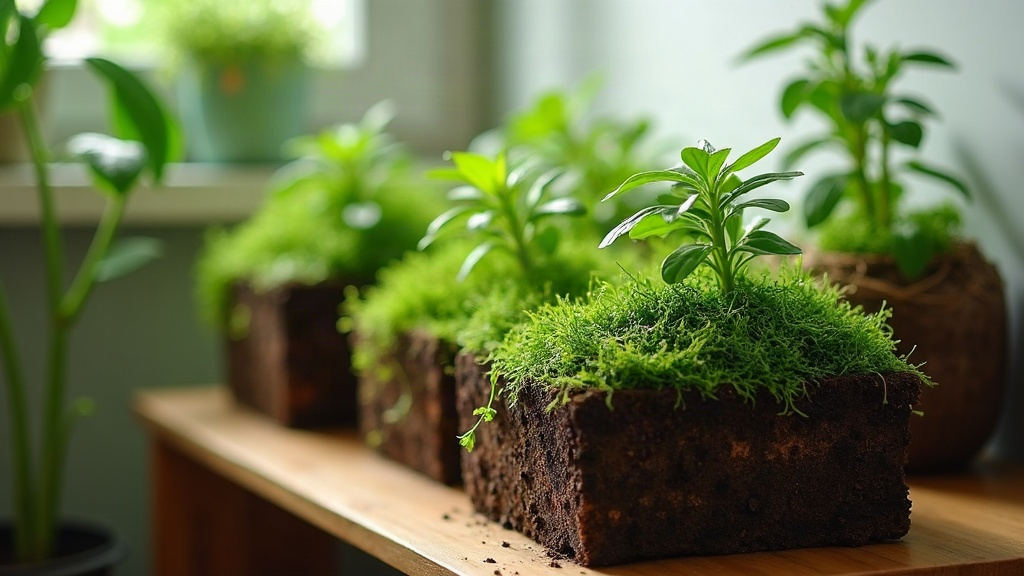
Living in a small space shouldn’t stop you from living sustainably. For years, apartment dwellers assumed that turning food scraps into nutrient-rich soil was a luxury reserved for people with sprawling backyards. Traditional composting demands space, airflow, and a careful balance of greens and browns, and when you get that balance wrong indoors, you end up with fruit flies and a smell that follows you into the living room. The solution? Bokashi composting in studio apartments. This odorless soil building technique relies on anaerobic fermentation rather than decomposition, so you can recycle basically all your food waste, including meat and dairy, right under your kitchen sink without any unpleasant odors.
What Exactly is Bokashi Composting?
Bokashi is a Japanese term that roughly translates to “fermented organic matter.” Unlike traditional aerobic composting, which needs oxygen to break food down, Bokashi works the opposite way. It uses a specialized bran inoculated with Effective Microorganisms (EM), a mix of lactic acid bacteria, yeast, and phototrophic bacteria.
When you mix your daily food scraps with this bran inside an airtight bucket, the microbes ferment the waste. Instead of rotting and decaying, the food essentially pickles. That creates a highly acidic environment that kills off pathogenic bacteria, and this is really the whole secret to why it works so cleanly and safely indoors.
Why Bokashi is the Ultimate Studio Apartment Solution
If you’re living in a studio, every square foot counts. Here’s why the Bokashi method beats worm bins and countertop composters for tight quarters:
- It is Truly Odorless: Because the food ferments instead of rotting, it doesn’t give off the sulfur or ammonia smells you’d get from decaying garbage. At most, a healthy Bokashi bin smells faintly of sweet vinegar, cider, or pickles when you crack the lid open.
- Extremely Compact: A standard 5-gallon Bokashi bin slides right into a kitchen cabinet, tucks under the sink, or squeezes into a narrow pantry corner.
- Zero Food Waste Left Behind: Traditional composting tells you to skip meat, dairy, cooked foods, and citrus. Bokashi microbes don’t care, they’ll break down small bones, cheese, leftover pasta, even acidic citrus peels, without a hitch.
- No Pests or Fruit Flies: Since the bucket has to stay completely airtight for fermentation to happen, there’s simply no way in for fruit flies, cockroaches, or rodents.
Step-by-Step Guide to Odorless Soil Building
Getting your indoor compost system running is a lot simpler than people expect. Here’s how to handle your daily scraps:
1. Prep Your Ingredients
Chop your food scraps into smaller pieces, roughly one to two inches, to speed up fermentation. Smaller pieces give the microbes more surface area to work with. Keep a small container on your counter for the day’s scraps so you only need to crack open the main Bokashi bin once a day, not every time you peel a carrot.
2. Layer and Inoculate
Drop your daily scraps into the Bokashi bucket. For every inch of food waste, sprinkle on a generous handful of Bokashi bran, enough to fully cover the food. Adding meat or cheese today? Toss in a bit of extra bran, since high-protein scraps need more help.
3. Compress and Seal
Oxygen is the enemy here. Use a specialized compactor, a potato masher, or even a flat board to press down firmly and force out any air pockets. Once it’s compressed, seal the airtight lid tight.
4. Drain the “Bokashi Tea”
As fermentation progresses, the mix releases a liquid by-product. Most commercial bins come with a spigot at the bottom for this. Drain it every two to three days. This “Bokashi tea” is a potent liquid fertilizer: dilute it heavily (think 1 part tea to 100 parts water) for your houseplants, or pour it undiluted down your drains, it helps prevent clogs and neutralizes pipe odor.
The “Soil Building” Phase: What to Do When the Bin is Full
Once the bucket is packed to the brim, seal it up completely and let it sit for two weeks to finish fermenting. The scraps will look almost identical to when you put them in, but on a cellular level they’ve been chemically transformed. This is where the real soil building begins. Since a studio apartment rarely comes with a yard, you’ve got two main paths forward:
Create an Indoor Soil Factory
You can build soil right on a balcony, fire escape, or even in a closet using a simple opaque plastic storage tote. Line the bottom with a few inches of plain, cheap potting soil. Dump the fermented Bokashi waste on top, mix it in thoroughly, then cap it with another thick layer of soil, at least two inches. Put the lid on and just leave it. In four to six weeks, that intensely acidic pre-compost breaks down completely, leaving behind dark, rich, nutrient-dense soil ready for your houseplants.
Donate Your Pre-Compost
Don’t need the soil yourself? Your neighborhood probably does. Try a platform like ShareWaste to connect with local gardeners, community garden plots, or neighbors running an outdoor compost pile. Fermented Bokashi waste is genuinely prized among gardeners, it breaks down fast once mixed into a traditional pile and delivers a big dose of beneficial microbes straight into the soil.
Conclusion
Mastering Bokashi composting in a studio apartment changes the game for anyone trying to live a little greener in the city. This odorless soil building method proves you don’t need a backyard, fancy outdoor equipment, or hours of spare time to cut your carbon footprint in a meaningful way. Ferment your scraps quietly under the sink, and you’ll cut your kitchen waste, feed your houseplants, and put something good back into your local ecosystem, all without giving up the comfort and cleanliness of your small home.