Liquid Seaweed Extract vs Worm Tea for Balcony Leafy Greens
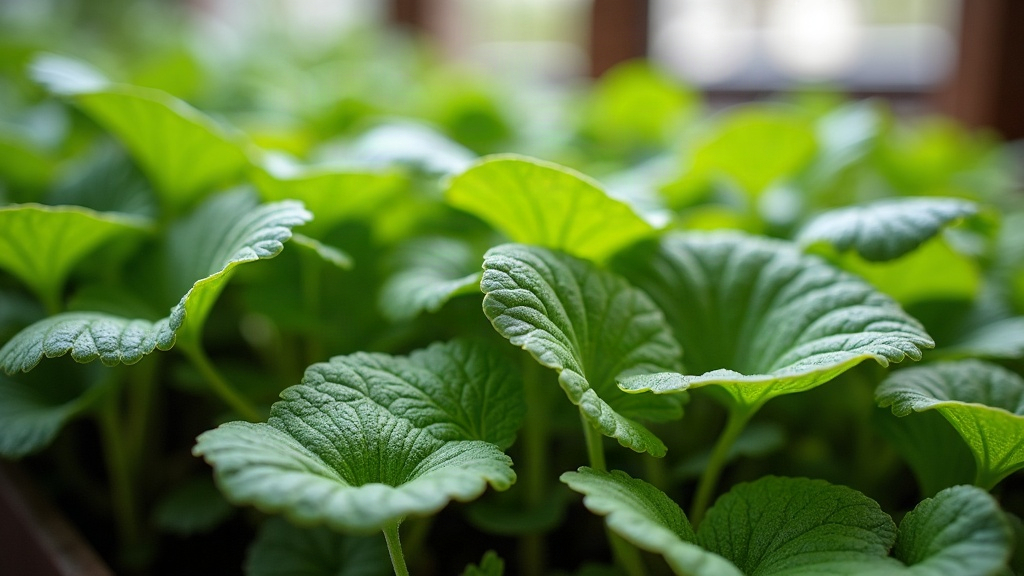
Liquid Seaweed Extract vs. Homemade Worm Tea: Which Wins for Balcony Greens?
Growing lettuce, spinach, kale, or arugula in pots on a balcony? The fertilizer you pick matters more than almost anything else in that setup. Leafy greens have shallow roots, grow fast, and burn through nitrogen quickly. Short answer: liquid seaweed extract is your go-to for micronutrients, stress tolerance, and sheer convenience, while worm tea gives you a stronger nitrogen kick and a flood of beneficial microbes that push steady leaf growth. Plenty of experienced balcony growers just use both, swapping them week to week. Let’s break down how they actually stack up.
What Each Fertilizer Actually Contains
Liquid Seaweed Extract
Made from kelp, usually Ascophyllum nodosum, this concentrated liquid runs low on NPK but packs:
- Trace minerals: iron, zinc, magnesium, calcium
- Natural growth hormones (cytokinins, auxins) that push root and leaf development
- Alginates that help plants shrug off heat, cold, and transplant shock
It comes bottled, sits on a shelf for years without spoiling, and gets diluted before use, typically 1 to 2 tablespoons per gallon of water.
Homemade Worm Tea
You brew this by soaking worm castings, or steeping a “tea bag” of castings in aerated water for 24 to 48 hours. What you get:
- Available nitrogen, phosphorus, and potassium pulled from the castings
- A dense population of beneficial bacteria and fungi
- Humic acids that help potting soil release nutrients more efficiently
Since it’s homemade, quality swings depending on how healthy your worm bin is and how long you let it brew.
Head-to-Head Comparison for Leafy Greens
1. Growth Speed
Worm tea usually produces noticeably faster leaf growth in spinach and lettuce, often within 7 to 10 days, simply because it carries more nitrogen. Seaweed extract’s effects are quieter: sturdier stems, a deeper green color, and better resistance to bolting when the weather turns hot. Size increase, though, comes slower.
2. Ease of Use
Seaweed extract wins this one hands down. It sits on a shelf for years, has no odor, and needs zero setup, just pour and dilute. Worm tea demands an active worm bin, an aerator (or you stirring it by hand every day), and a tight window: use it within 24 hours of brewing or it loses potency and can turn anaerobic, which means it smells bad and can actually hurt roots.
3. Smell and Balcony Practicality
On an apartment balcony, this matters a lot. Seaweed extract has a mild ocean smell that disappears within minutes. Worm tea, if it’s over-brewed or poorly aerated, can smell like sour mud. Not exactly what you want wafting over your dining table or into a shared courtyard.
4. Cost
- Seaweed extract: $12 to $20 a bottle, lasting 2 to 3 months for a small balcony setup (roughly $0.15 to $0.30 per feeding).
- Worm tea: basically free if you’re already running a worm bin for kitchen scraps, but you’re looking at $40 to $60 upfront for the bin itself, plus your time.
5. Nutrient Completeness
Neither one covers everything on its own if you’ve got heavy feeders. Worm tea skews nitrogen-heavy but is thin on potassium; seaweed extract is loaded with minerals but short on nitrogen. Since leafy greens need nitrogen above all for foliage, worm tea used alone tends to beat seaweed used alone when leaf mass is your goal.
Best Practice: Combine Them
Most successful balcony growers alternate between the two:
- Worm tea every 10 to 14 days for the nitrogen and microbial punch
- Seaweed extract as a weekly foliar spray for micronutrients and stress protection, particularly useful during heat waves or right after transplanting
This basically mirrors what commercial organic feeding programs do: pair a nitrogen source with a mineral and hormone booster.
Application Tips for Container Greens
- Always dilute. Full-strength worm tea or seaweed concentrate can scorch tender lettuce and spinach roots.
- Water the plant first, then apply fertilizer to already-moist soil so you don’t shock the roots.
- Spray seaweed extract as a light foliar mist early in the morning or in the evening. Skip midday sun, since wet leaves can scorch under direct light.
- Apply worm tea as a soil drench rather than a foliar spray. That cuts down the risk of bacterial contamination landing on leaves you’re about to eat.
Which Should You Choose First?
- Pick seaweed extract if you want something low-maintenance and odor-free that’s ready to use straight out of the bottle, and your greens already look reasonably healthy but could use more resilience.
- Pick worm tea if you’re already composting with worms, want faster leaf growth, and don’t mind the occasional brewing hassle or smell management.
- Pick both if you’re serious about squeezing the most yield out of a small container setup. Grower reports and small-scale trials keep showing this combo beats either one alone, consistently.
Conclusion
For balcony leafy greens, there’s no clean “winner” here. Seaweed extract and worm tea are solving two different problems. Seaweed extract builds resilience and loads up micronutrient density. Worm tea drives the fast, leafy growth that lettuce and spinach are practically begging for. If you can only pick one, worm tea will probably hand you bigger harvests sooner, but pair it with a weekly seaweed foliar spray and you get the healthiest, most productive container garden you can build.