Best Edible Shade Plants for North-Facing Balconies
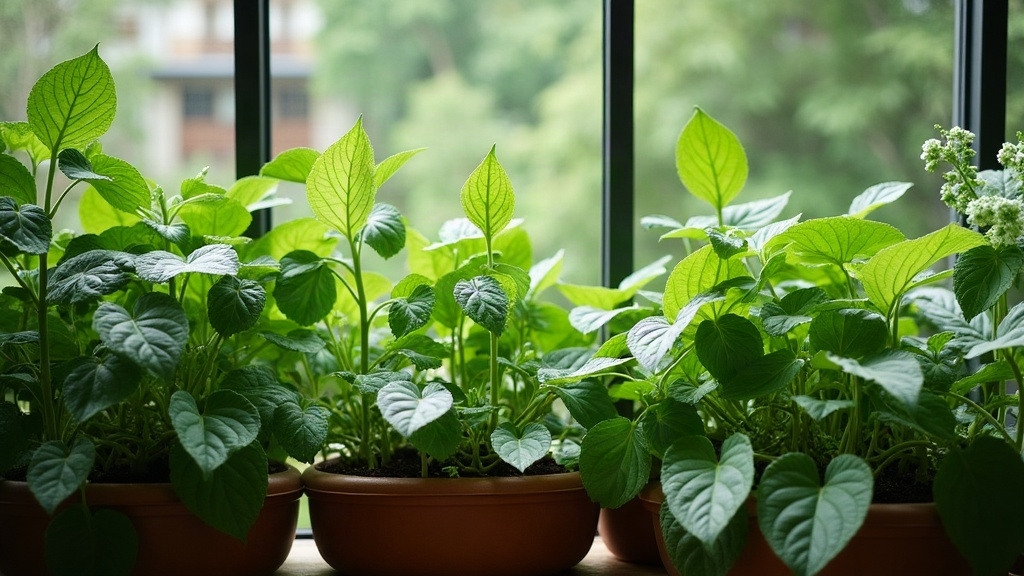
If you’ve got a north-facing balcony, you’ve probably already written off the whole idea of growing your own food. Most gardening guides throw out that “six to eight hours of full sun” rule like it’s gospel for anything edible. But a shaded balcony doesn’t sentence you to a life of ferns and ivy. Shift your focus away from fruiting plants (tomatoes, peppers, that sort of thing) and toward plants you grow for their leaves, stems, and roots, and you’ll find a shaded balcony can turn into a surprisingly productive little food garden—no need to worry about scorching from window reflections here.
North-facing spaces actually have a couple of things going for them that gardeners with blazing hot balconies would probably envy. Soil dries out slower, for one. And cool-weather crops won’t bolt the second July hits. Below is a rundown of the edible plants that actually thrive in shade, plus a few tips to help them along.
The Best Leafy Greens for Shade
Leafy greens are your bread and butter here. Unlike plants that need to pump out flowers and fat, juicy fruits, greens just need to make… leaves. That takes a lot less energy, and a lot less light.
- Spinach: Spinach genuinely prefers the cool, slightly damp setup you get on a north-facing balcony. Give it full sun and it’ll turn bitter and bolt within weeks. Try ‘Space’ or ‘Bloomsdale Long Standing’ if you want steady, tender harvests without the drama.
- Swiss Chard: It grows a bit slower without direct sun, sure, but chard handles shade better than most people expect. And honestly, it makes a dull balcony look alive. Grab the ‘Bright Lights’ variety for stems in hot pink, yellow, and orange.
- Arugula: Love that peppery bite in a salad? Arugula’s your plant. It’s fast from seed, and it actually does better in partial to full shade, since low light keeps the leaves tender instead of fiery.
- Loose-Leaf Lettuce: Head lettuces like Iceberg want more sun to form a tight core. Loose-leaf types, though (‘Oakleaf’, ‘Lollo Rosso’) do just fine in low light. Pick outer leaves as you need them and let the center keep pushing out new growth.
Shade-Tolerant Herbs for Balcony Pots
Fresh herbs cost a small fortune at the grocery store, which makes them one of the best returns you’ll get from a few small pots. And a lot of culinary herbs actually come from forest edges originally, so shade isn’t foreign to them at all.
- Mint: Basically unkillable. It’ll grow in the darkest corner of your balcony without complaint. Given how invasive it is, keeping it confined to a container is the smart move anyway, shade or no shade.
- Parsley: Curly or flat-leaf, both handle low light with ease. They’re biennial, so a mild winter won’t kill yours off, meaning you could be picking fresh parsley for the better part of a year.
- Chives: Tough little plants. You might not get the purple pompom flowers without direct sun, but you’ll still get plenty of green shoots for baked potatoes, eggs, whatever needs a bit of oniony bite.
- Cilantro: Same deal as spinach, really. Heat and strong sun make cilantro bolt fast. Shade buys you weeks of extra harvest before it goes to seed on you.
Root Vegetables That Don’t Mind the Dark
Roots need a touch more energy than leafy greens do, but they’re still very doable in a shaded pot, so long as you pick compact varieties and don’t expect supermarket-sized results.
- Radishes: About as fast as vegetables get. Some varieties are ready in 30 days flat. Shade actually helps here too, keeping the roots from turning woody or overly hot. ‘French Breakfast’ is a solid, dependable pick for containers.
- Carrots: Forget the long, tapered types. Go short and round instead. ‘Paris Market’ (it looks almost like a stubby orange radish) or ‘Thumbelina’ work well in shallow pots where light is limited.
Expert Tips for Shady Balcony Gardening
Shade gardening isn’t quite the same game as sunny gardening, especially when it comes to watering and soil.
- Watch Your Watering: Overwatering is the number one mistake people make in shade. With no direct sun pulling moisture out of the soil, pots stay wet a lot longer than you’d think. Stick a finger an inch into the soil before you reach for the watering can. Still damp? Give it another day or two.
- Maximize Ambient Light: No direct sun doesn’t mean no light at all. Paint the balcony walls white, choose light-colored pots, or prop a mirror behind your plants to bounce a bit more indirect light onto the leaves.
- Ensure Impeccable Drainage: Since soil stays moist for longer, root rot becomes a real threat. Make sure every pot has generous drainage holes, and work plenty of perlite into your potting mix so it stays light and drains freely instead of turning into a soggy mess.
Conclusion
A north-facing balcony isn’t a dead end for growing food. It’s more like a nudge to garden differently. Fill your pots with shade-loving greens, tough little herbs, and fast root vegetables, and you’ll end up with a genuinely lively edible space right outside your door. Start small: a pot of mint, one of lettuce, one of radishes, and see how quickly that shaded corner comes alive.