How to Prevent Window Glass Reflection from Scorching Balcony Plants
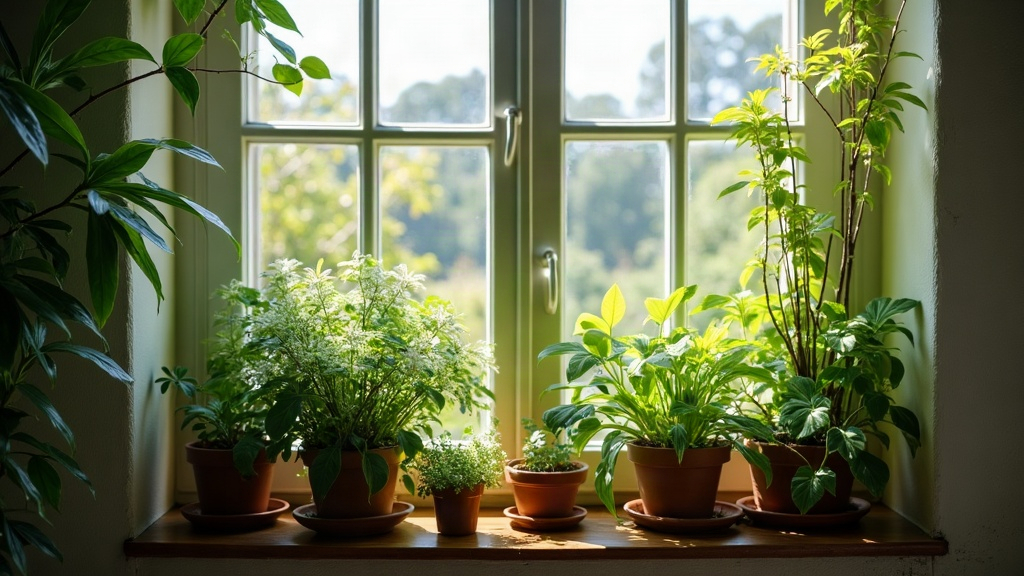
If your balcony plants keep showing up with crispy brown patches, bleached spots, or scorched edges, and they’re not even in “harsh” light, don’t blame the sun just yet. The real problem might be bouncing off your window glass instead. Reflected light from windows, glass railings, or glossy tiles can concentrate rays onto one narrow strip of foliage, creating a hot spot that burns leaves way faster than regular, diffuse daylight ever would. Here’s how to spot the problem and put a stop to it before it wrecks your balcony plants.
Why Window Glass Causes Leaf Scorch
Glass doesn’t just let light through, it also kicks a chunk of it back out, especially when the sun sits low in the sky during early morning or late afternoon. That reflected light acts almost like a mini magnifying glass:
- Concentrated beams: Flat glass surfaces can take scattered sunlight and redirect it into a tighter, more intense band that lands on the exact same spot on a leaf, day after day.
- Heat buildup: Reflected light usually brings extra heat along with it, heat the glass has soaked up over the day and is now radiating back at your plant.
- Consistent angle exposure: Unlike the sun, which moves across the sky, a fixed window pane tends to bounce light onto the same leaf area at the same time every single day. That repetition is what really compounds the cellular damage.
The giveaway is scorch marks with crisp, irregular edges, brown or tan, usually on whichever side of the plant faces the glass. That’s quite different from the dull, all-over yellowing you’d get from overwatering or a nutrient deficiency.
How to Confirm Reflection Is the Cause
Before you rearrange your whole balcony, make sure this is actually what’s happening:
- Check the timing: Watch your balcony between 7 and 10 AM, and again from 3 to 6 PM. That’s when the sun angle is low enough to bounce off vertical glass.
- Look for a “hot spot”: Real reflection damage clusters in one spot. It doesn’t spread evenly across the whole plant.
- Test with a mirror or phone camera: Hold a small mirror near the plant’s location and see if it catches a glare from the window right around the time the damage seems to get worse.
- Rule out other causes: Make sure you’re not also dealing with underwatering, pests, or fertilizer burn, all of which can look a lot like scorch at first glance.
Practical Fixes to Stop the Damage
1. Relocate the Plant
The easiest fix, hands down, is just moving the pot 30 to 50 cm out of the reflection’s path, or shifting it so the beam no longer lands directly on the leaves.
2. Add a Physical Barrier
- Hang a sheer curtain, bamboo screen, or shade cloth (30-50% shade rating) between the window and the plant.
- Apply a decorative privacy film to the glass. Frosted or diffusing films scatter the light instead of focusing it into a beam.
3. Rotate and Monitor
Can’t move the pot? Turn it a quarter turn every few days so no single cluster of leaves keeps taking the same hit. That way the stress gets spread across the whole plant instead of piling up in one place.
4. Choose Reflection-Tolerant Plants
Some plants just shrug off intense, glancing light better than others. Good candidates:
- Sansevieria (snake plant)
- ZZ plant
- Succulents with thick, waxy leaves
Skip the thin-leaved tropicals, calatheas, ferns, and the like, in any spot prone to reflection. Their tissue is delicate and it scorches fast, sometimes within a day or two.
5. Adjust Watering Schedule
Reflected heat speeds up evaporation, so check the soil more often during those peak reflection windows. Watering early in the morning gives the plant a better shot at handling the heat stress that builds up later in the day.
6. Use Anti-Glare or UV Window Film
A UV-blocking or anti-glare film cuts down both the intensity and the heat of the reflection, and it won’t noticeably darken your balcony.
Long-Term Prevention Tips
- Check plant placement again each season. Sun angles shift throughout the year, so a spot that was perfectly safe in January could turn into a scorch zone by July.
- Cluster your heat-sensitive plants together and put the tougher ones near reflective surfaces to act as a buffer.
- Inspect leaves regularly for the early warning signs (a duller color, slight curling at the edges) before they turn into full-blown scorch marks.
Conclusion
Window glass reflection is one of those causes people rarely think to check, yet it can create the kind of concentrated, repeated heat exposure that plain sunlight just doesn’t produce. Once you spot the pattern, whether by relocating vulnerable plants, shielding them, or swapping in tougher species for the exposed spots, you can keep your balcony garden looking healthy through every season instead of watching it slowly burn.