Sowing Winter-Hardy Mache for December Balcony Harvests
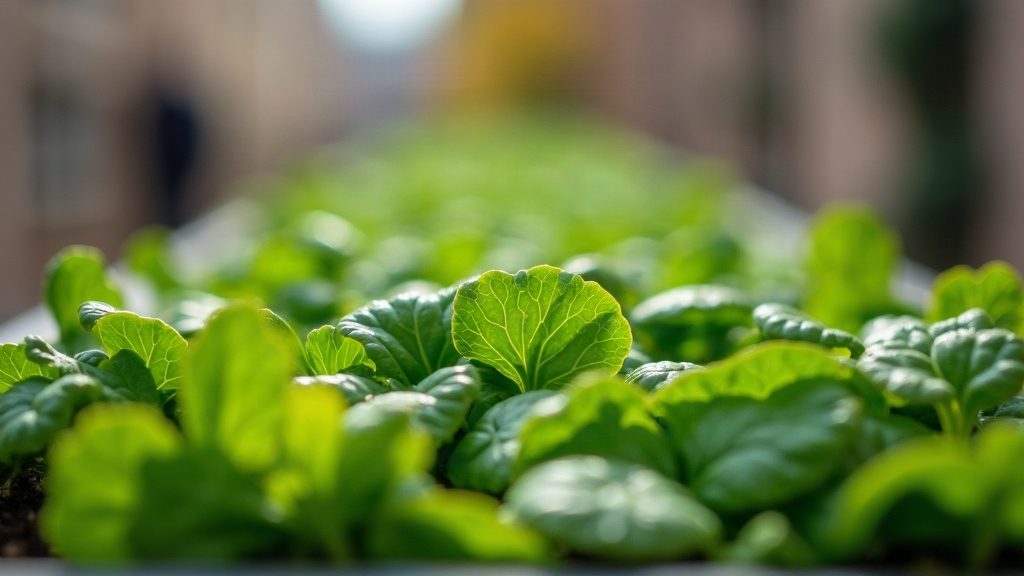
If you want fresh, crisp salad greens on your balcony even in December, mache (corn salad, Valerianella locusta) is about as rewarding as cold-season crops get. Sow it directly into shallow troughs sometime in early to mid autumn, and this frost-hardy green will keep producing leaf after leaf well into winter. No greenhouse, no heat mats, nothing fancy required.
Why Mache Is Perfect for Winter Balconies
Mache just likes the cold. It germinates best when the soil is cool, grows slowly but steadily through autumn, and after a light frost hits it, the flavor actually gets better, sweeter, nuttier, almost like the plant is rewarding you for waiting. Unlike lettuce, it won’t bolt the moment temperatures drop, and it shrugs off a light dusting of snow without much fuss.
Key advantages for balcony growers:
- Tolerates temperatures down to -10°C (14°F) with a bit of mulch or frost cloth
- Needs very little soil depth, which makes it ideal for shallow containers
- Barely any pest pressure once the cold sets in
- One sowing gives you continuous harvests over several weeks
Choosing the Right Trough
Mache has a shallow, compact root system, so forget deep pots. A trough or window box 10-15 cm (4-6 inches) deep does the job fine. Look for containers that:
- Measure at least 20 cm wide so you can fit a few rows
- Have drainage holes (non-negotiable, mache hates sitting in wet soil)
- Are made from frost-resistant material (terracotta tends to crack when it freezes; plastic, wood, or fiberglass hold up much better)
Toss a thin layer of gravel or broken pottery shards at the bottom before filling with soil. It helps drainage even more.
Soil and Sowing Timing
Go with a light, well-draining potting mix with a bit of compost mixed in. Mache doesn’t need much feeding, and honestly, too much nitrogen backfires: leaves turn soft and floppy and rot fast in damp winter air.
Best sowing window: late August through mid-October, depending on where you live. If you want leaves on your plate by December:
- Zones 7-8 (temperate): sow by early-to-mid October
- Zones 5-6 (colder): get seeds in by early September so plants have time to establish before the hard frosts hit
Step-by-Step Sowing
- Fill the trough with moistened soil, stopping about 1 cm below the rim.
- Scatter seeds thinly over the surface. They’re tiny, so resist the urge to dump them in one spot.
- Cover with just 0.5-1 cm of fine soil. These seeds need a bit of light to sprout, so don’t bury them deep.
- Water with a fine mist so you don’t wash the seeds around.
- Keep the soil evenly moist, not soggy, until germination kicks in, usually 7-14 days in cool weather.
Caring for Mache Through Autumn Into Winter
- Watering: Ease off as it gets colder. Check the soil every couple of days instead of watering on autopilot.
- Thinning: Once seedlings hit 2-3 cm, thin to roughly 5 cm apart so the rosettes have room to fill out.
- Frost protection: On the coldest nights, drape straw, garden fleece, or even bubble wrap loosely over the trough. Just make sure it still lets light through during the day.
- Light: Mache can handle partial shade, but it fills out fuller with 4-6 hours of winter sun. A south-facing balcony is about as good as it gets.
Harvesting for December Salads
Most of the time, mache is ready 6-8 weeks after sowing, which lines up nicely with a December harvest if you sowed in early-to-mid October. Two ways to harvest:
- Cut whole rosettes at soil level with scissors, or
- Pick outer leaves one by one and let the center keep growing
That cut-and-come-again trick means one trough can feed you multiple times over the winter, especially if you stagger new sowings every two or three weeks.
Common Problems and Fixes
- Damping off (seedlings rotting at the base): Usually overwatering or poor airflow. Thin them out and back off on the watering.
- Slow germination: Nine times out of ten, it’s soil that’s too warm. Mache wants temperatures below 20°C (68°F) to sprout well, so if you’re sowing during an unseasonably warm stretch, keep the trough in shade until things cool down.
- Leggy growth: Usually means not enough light. Move the trough somewhere brighter.
Conclusion
Growing mache in shallow troughs might be the easiest way to keep fresh greens coming on your balcony right through December. It barely asks for anything: a little space, modest care, and the right timing. In return you get weeks of crisp, nutty-tasting leaves, right when everything else in the garden has already called it quits for the season.